Summary
- A bombshell investigation published by Reuters on March 13, 2026, naming Bristol-born Robin Gunningham as the man behind Banksy’s spray can — citing a handwritten confession from a 2000 New York arrest.
- Gunningham reportedly changed his name to David Jones in 2008 — one of the most common names in the U.K. — to hide in plain sight, a move that stalled researchers for nearly two decades.
- Banksy’s lawyer denied the findings and warned that publishing the investigation would “violate the artist’s privacy, interfere with his art and put him in danger.”
For over 30 years, the art world’s greatest parlor game has been: Who the hell is Banksy? Well, hold onto your spray cans, because Reuters may have just ended the game for good.
On Friday, Reuters published an in-depth investigation into the artist’s identity, naming him “beyond dispute.” The man allegedly behind the stencils, the sardonic wit, and a billion-dollar brand built on anonymity? Robin Gunningham, who was born in the southwest English city of Bristol in 1973.
Not exactly a name that screams international art-world provocateur — which, honestly, is kind of the point.
The smoking gun came from an unlikely archive. On September 18, 2000, authorities found a man defacing a billboard on the roof of 675 Hudson Street in New York. Because damages exceeded $1,500, police sought to charge him with a felony. The man who confessed was Robin Gunningham. Court docs, a signed confession, the works. The handwritten confession revealed, “beyond dispute,” Banksy’s true identity.
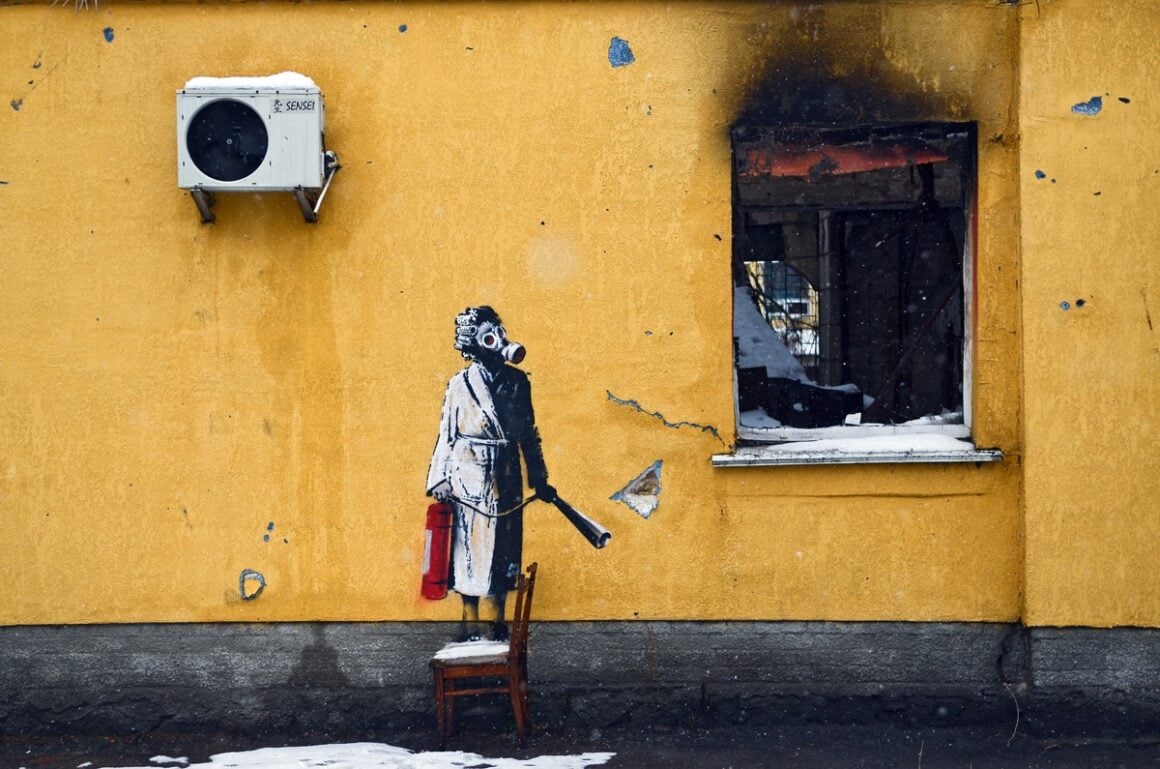
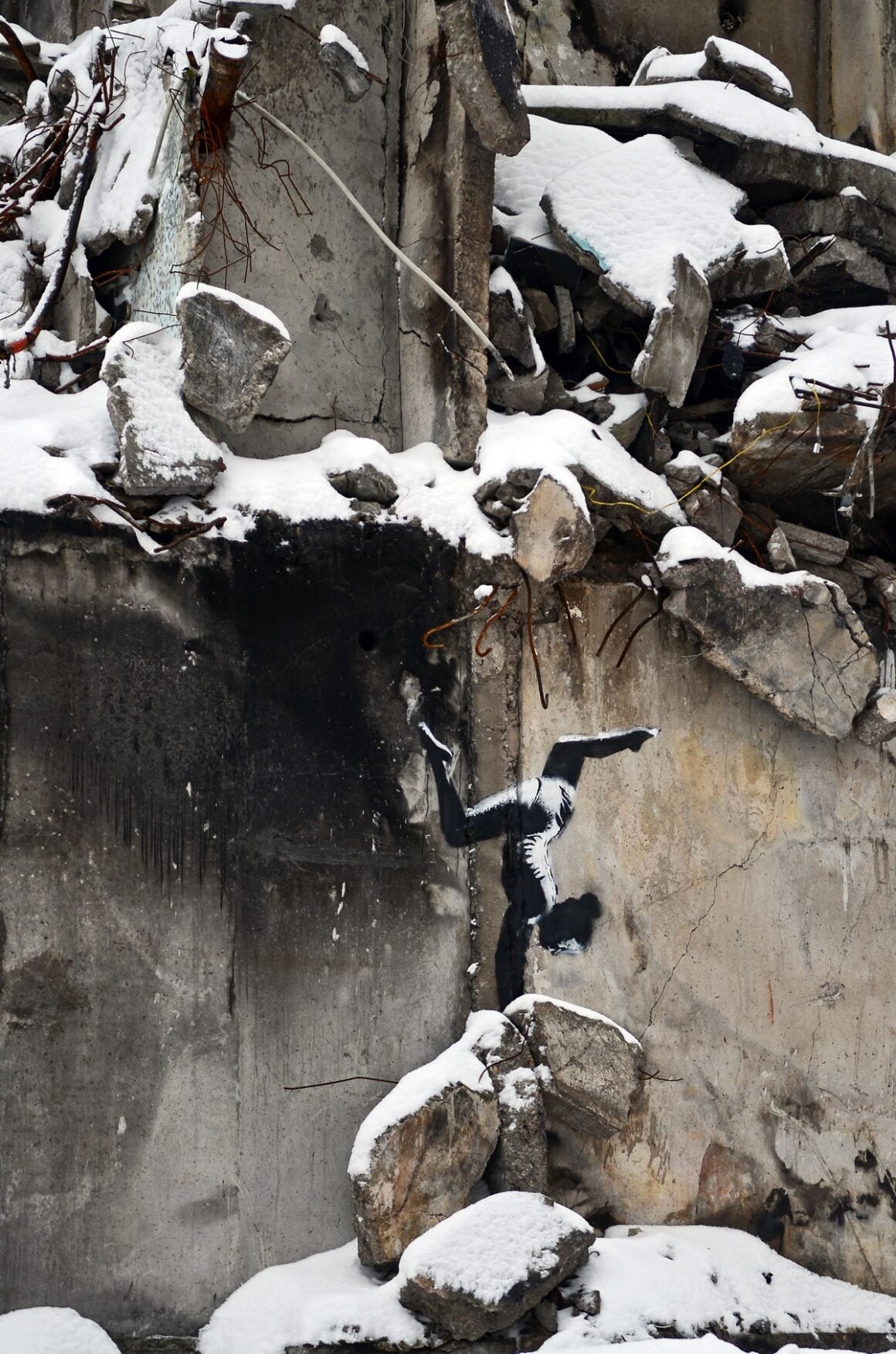
The real trail-breaking moment, though, came courtesy of a war zone. Reuters reporters traveled to Ukraine and spoke with locals after Banksy confirmed on Instagram that he had painted a series of murals in Russian-occupied territories in 2022. One striking piece depicted a man in a bathtub scrubbing his back amidst the wreckage of a bombed-out building in Horenka, a village just east of Bucha. Very Banksy. Very devastating.
From there, Reuters pieced together immigration records, photographs, and interviews to track a man traveling under the name David Jones. In 2008, Banksy allegedly changed his name from Robin Gunningham to David Jones — one of the most common names for British men — which, according to the report, “helps him hide in plain sight.” Subtle. Brilliant. Very David Bowie of him, actually — David Jones also happens to be the given name of David Bowie, whose Ziggy Stardust alter ego inspired a Banksy portrait of Queen Elizabeth.

The Reuters team didn’t stop at court documents. They interviewed a dozen insiders connected to Banksy. None confirmed the identity, but all acknowledged that keeping the secret became harder over time. Art critic Robert Casterline told Reuters he believes he spotted Gunningham at the 2018 auction wearing glasses with a hidden camera, recording the Girl with Balloon shredding stunt. You know, as one does.
Of course, no Banksy story is complete without a red herring, and this one has a good one. Reuters argues that Banksy is not Robert Del Naja, the frontman of Massive Attack, who has been rumored to be the famous artist due to his politics and his passion for graffiti. The investigation was muddied by Del Naja’s also being in Ukraine in 2022, but the musician was joined by another man — whom they ascertained was Banksy. Sorry, Robert. Close, but no cigar.
Banksy’s legal team, naturally, was not thrilled. His long-time lawyer, Mark Stephens, said the artist “does not accept that many of the details contained within [the] enquiry are correct,” before turning things up a notch. Stephens claimed publishing the story would “violate the artist’s privacy, interfere with his art and put him in danger,” and that “working anonymously or under a pseudonym serves vital societal interests.”
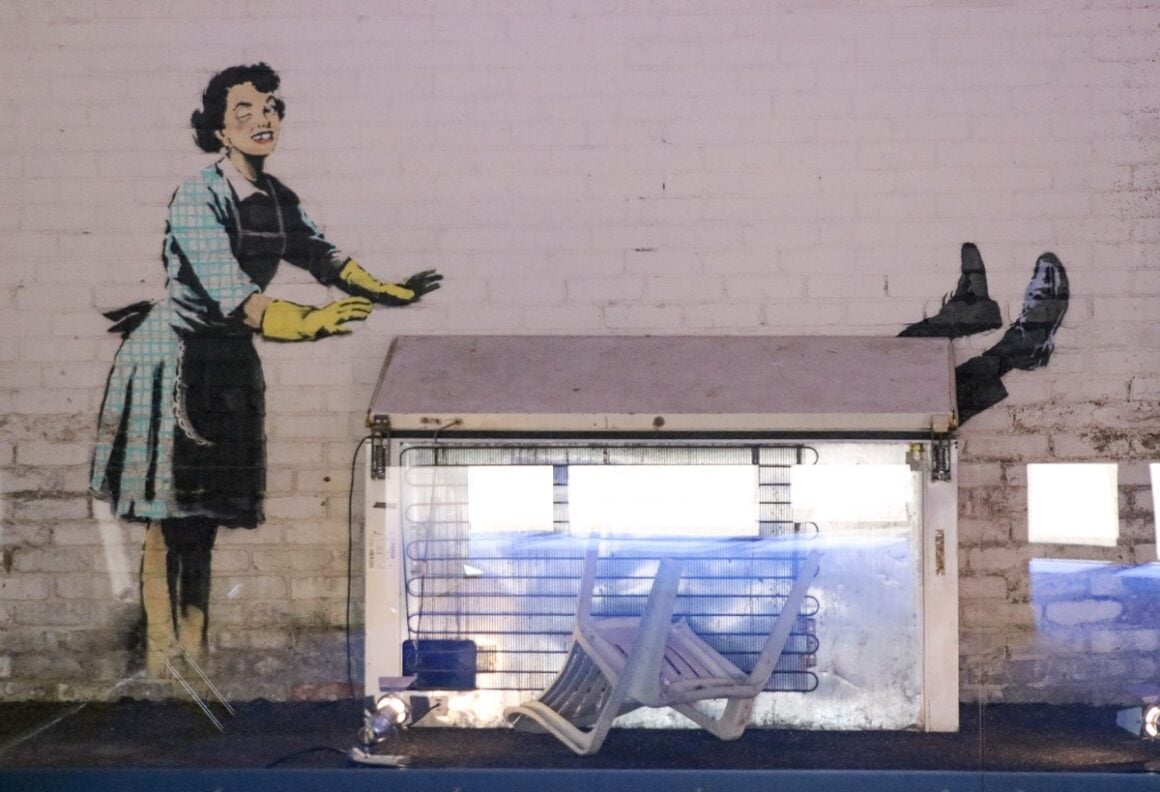
He continued: “It protects freedom of expression by allowing creators to speak truth to power without fear of retaliation, censorship or persecution.” Which is a genuinely compelling argument — and also exactly what you’d expect a lawyer to say.
Reuters published anyway.
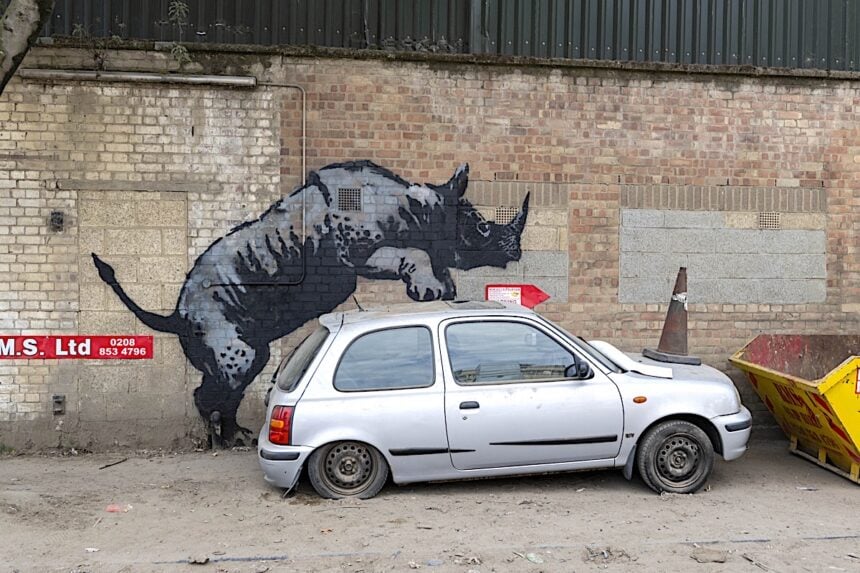
Meanwhile, Banksy himself? Radio silence. Banksy and his team did not deny Reuters’ findings but declined to comment. His most recent mural — depicting a judge assaulting a protester, which appeared at London’s Royal Courts of Justice in September 2025 and drew 2.5 million Instagram likes — suddenly feels even more loaded now that we may know who made it.

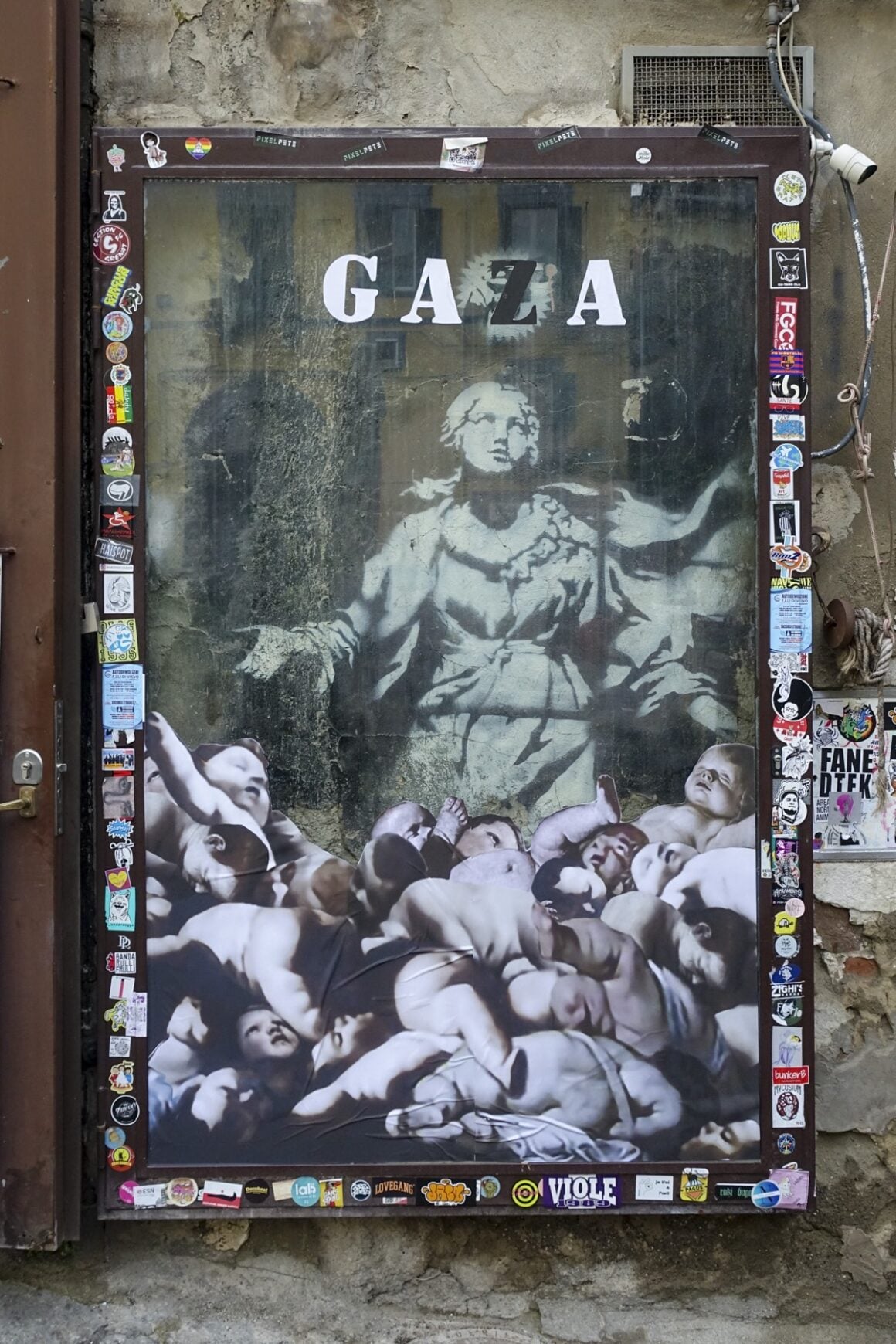
The irony is almost too perfect. The man, once quoted as saying, “nobody ever listened to me until they didn’t know who I was,” may now have to reckon with everyone knowing exactly who he is. Whether that changes the art, the mystique, or the market value of a Banksy original is the question the art world will be chewing on for a long time.
Robin Gunningham, if that’s really you out there: the stencils were incredible, the anonymity was a masterpiece in itself — and this, too, feels like one final, very long con.