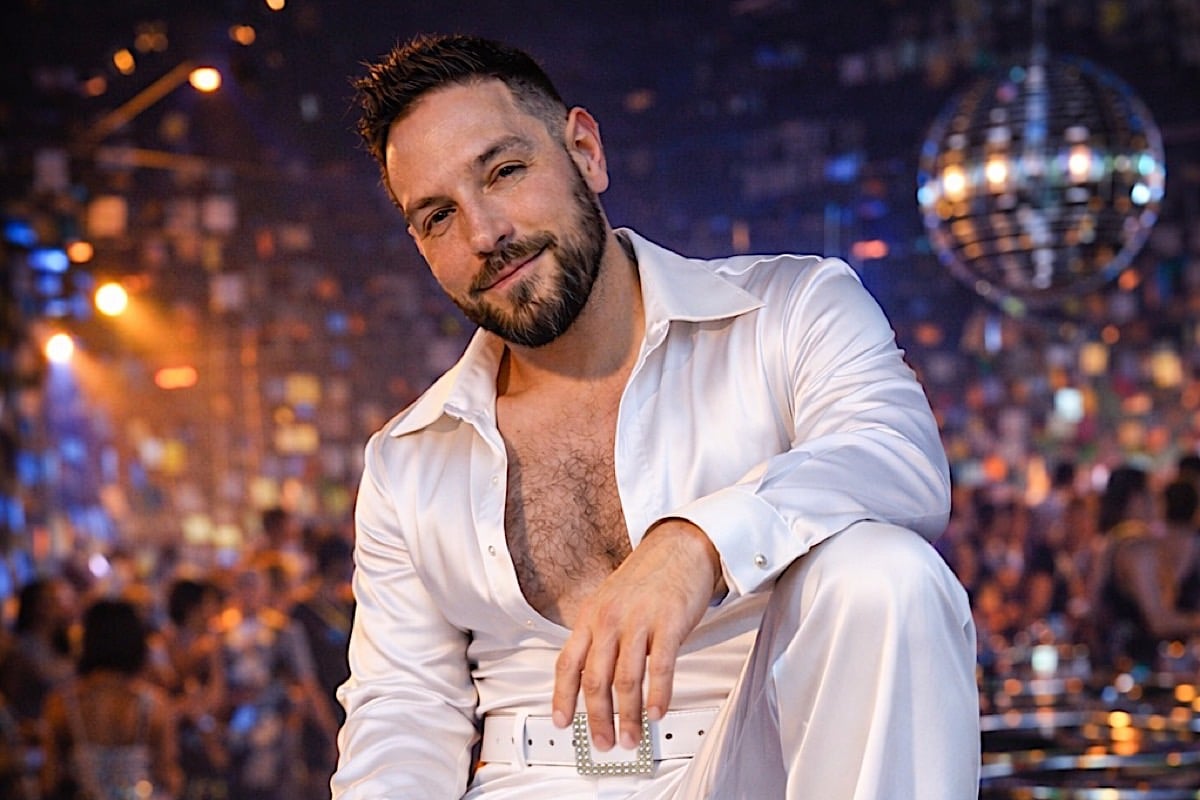
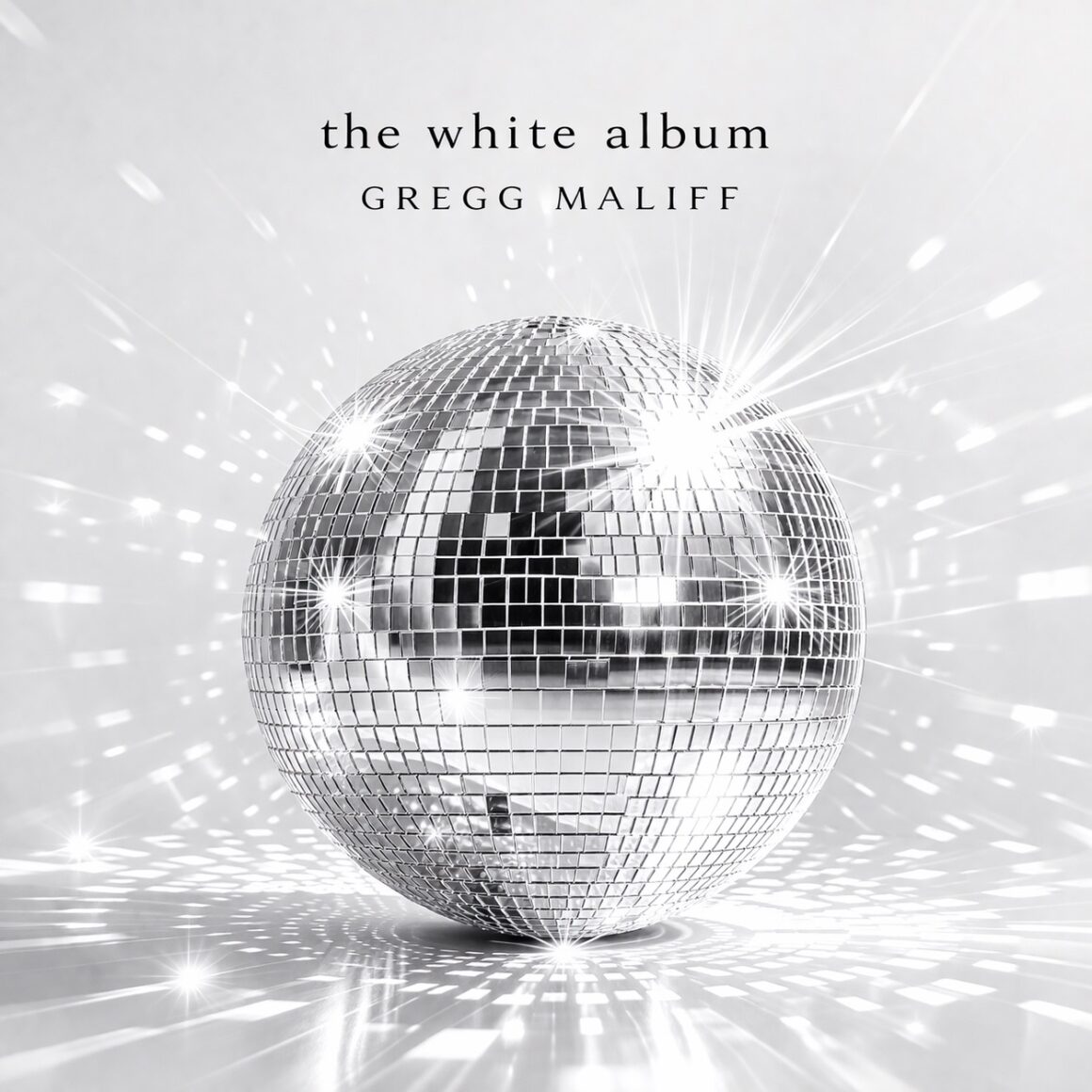
After exploring grief, trauma, and self-discovery on Reasons Side A and Reasons Side B, indie artist Gregg Maliff was ready to walk away from music for a while. Instead, he found himself surrounded by mirror balls, disco beats, and an unexpected sense of joy. What began as late nights at home listening to old tracks with his husband evolved into The White Album, a deeply personal but wildly uplifting record inspired by spirituality, resilience, and the healing power of dance music.
In our conversation, Gregg opens up about transforming pain into positivity, why hope is central to everything he creates, and how surviving life’s darkest moments ultimately helped him rediscover happiness.
The last time we chatted, you mentioned before that you were going to put music on pause…so how did The White Album come about?
I felt like Reasons Side A and Side B were more about healing. It was more about my journey through life and explaining who I am to a lot of the people that have questions. And I felt like I came to the end of that journey and felt a great sense of relief. I felt like I was going through depression while I was making those albums with the passing of my dad. It was very cathartic to start writing some poems and trying to see what to do.
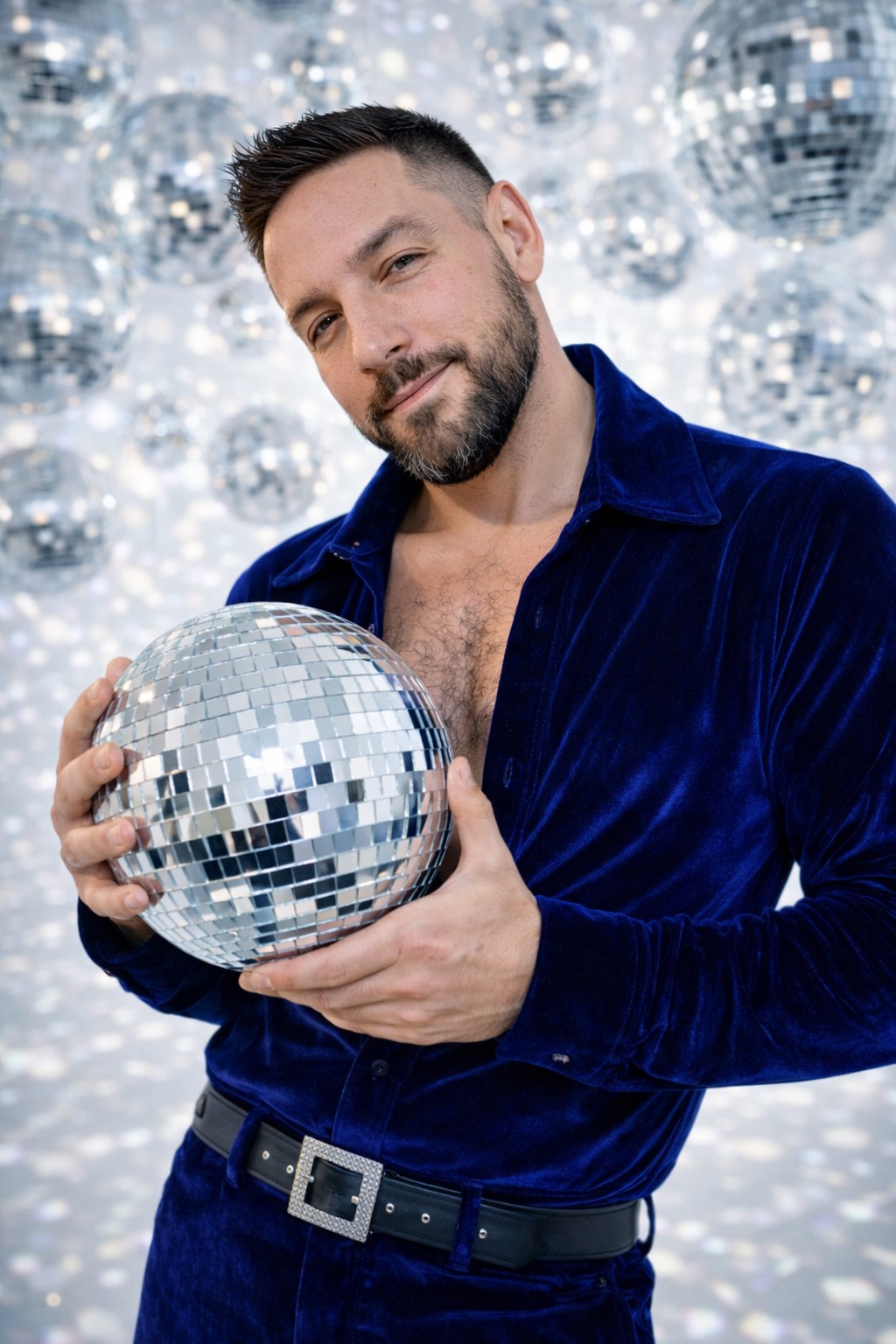
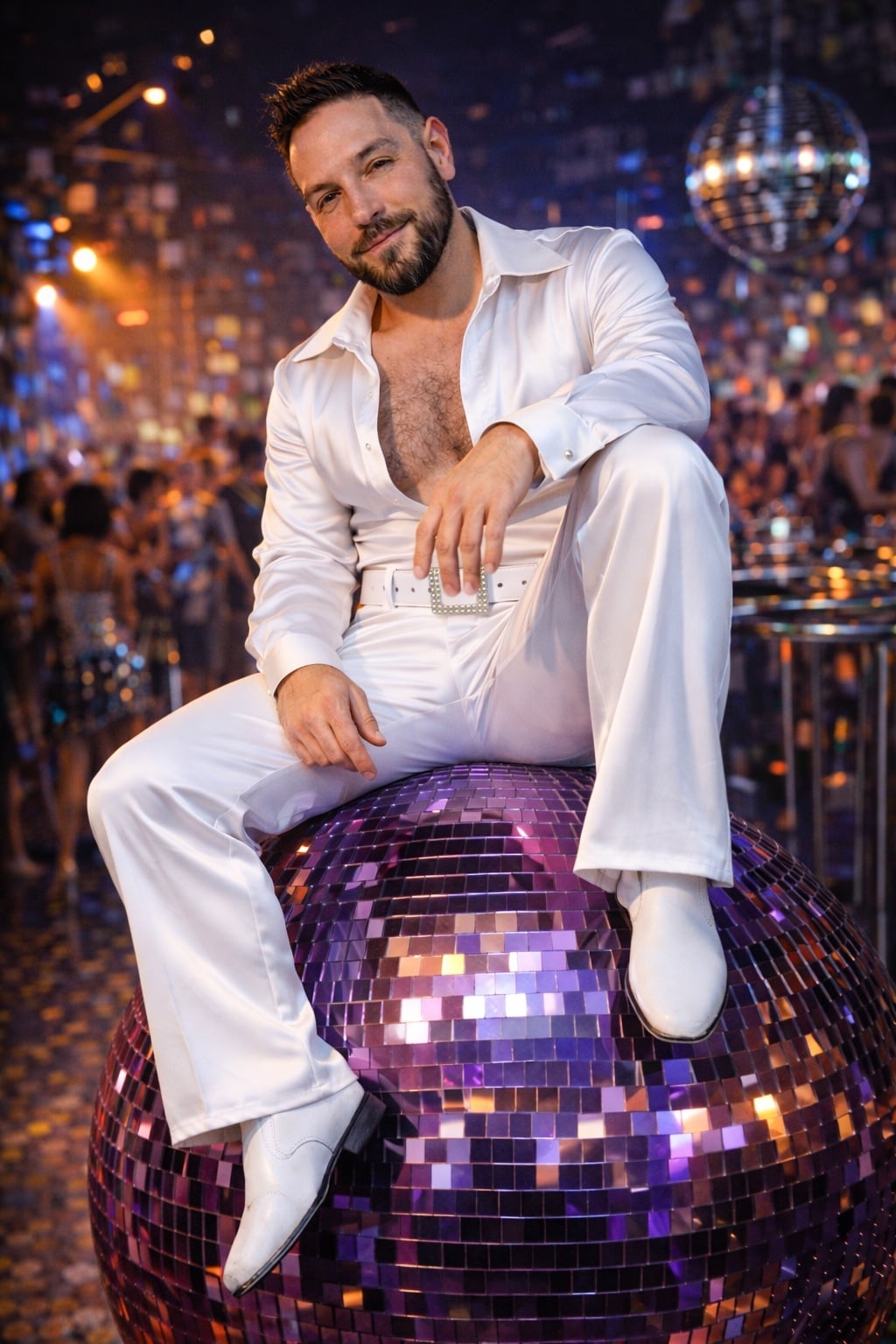
However, as an independent artist, I’m used to just putting out music and hoping and praying that people listen to it and love it. But what really made me jump into it was just sitting back with my husband, and we were listening to some music and playing video games, and we were just kind of going crazy and he said, “Oh, I just love mirror balls. Do you remember when we were in this club?” And I’m like, “Yeah, I totally remember that. I miss that vibe. I just don’t miss going out with all the crowds of people.” So, we started putting mirror balls everywhere in the house and kind of creating our own little disco vibe and I kind of wondered what it would be like if I took some of this music and songs from four years ago that I never put out and just sent them to a couple different DJs that I’m working with, and all of a sudden they turned a ballad into this amazing disco song. It was kind of like the track just came out of nowhere, and I’m like, you know what? I love this. It made me smile. It made my family smile, so I thought let me just put it out there, see if it affects somebody else, see if either the story strikes a chord with them or if they just want to chill out and just go nuts and just start dancing while they’re cleaning the house or whatever it is. Everybody has to take a second to enjoy the life and dance.
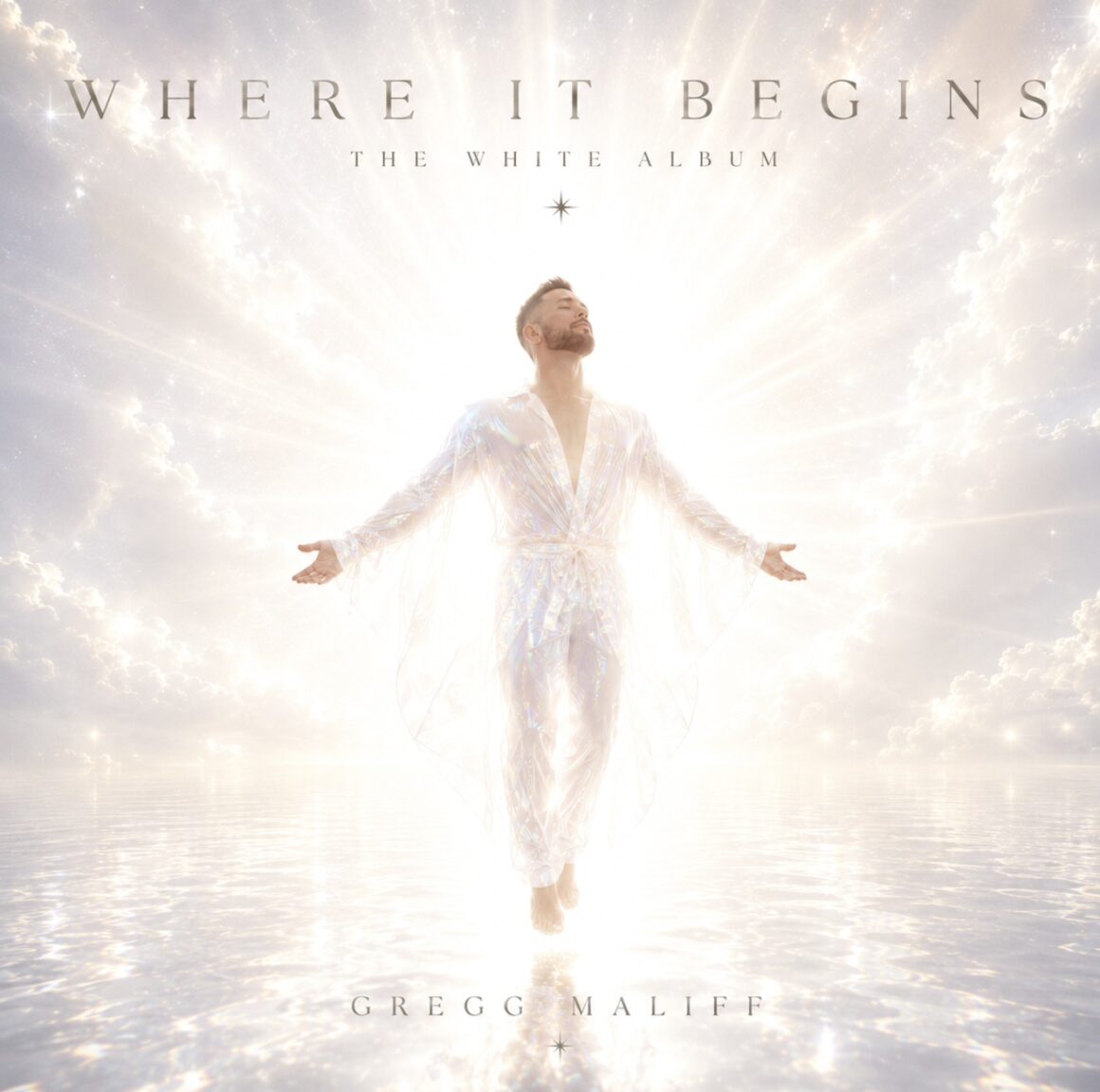
The album’s title, The White Album, is loaded with musical history because of The Beatles …what drew you to the title and what does white symbolize for you personally and artistically?
I feel it does go back to The Beatles. I grew up with my dad being a huge fan of The Beatles and I collected all the albums. I felt like The White Album, for me, was very defining in where they were telling their stories. When it got to The White Album, it just kind of took a step sideways and started talking about the roots of emotion. I’ve always loved that album, and I hold it deep to my heart.
So, what I was going through when I was trying to write some of the songs, I felt, again, very cathartic, very filled with light, filled with positive energy and I tap into some of my old roots where I feel the spirituality that’s within myself. I took that step a little bit, leaned into it and did what I could do to cast a spell on my listeners and see what I can do to revive them. Although it’s a disco album, it mirrors a little bit of The Beatles’ The White Album as far as having a storyline. It’s fun. It’s an album that instead of talking about depression, it’s like let’s leave it behind. Let’s leave all the troubles, let’s leave all the worries. Imagine if we woke up tomorrow and everything was great. What would you do? Get out there and enjoy the world and get out and disco.
You’ve gone from tackling very difficult topics in your music to now more of a lighthearted and fun disco vibe. What song was the most fun for you to record for this one?
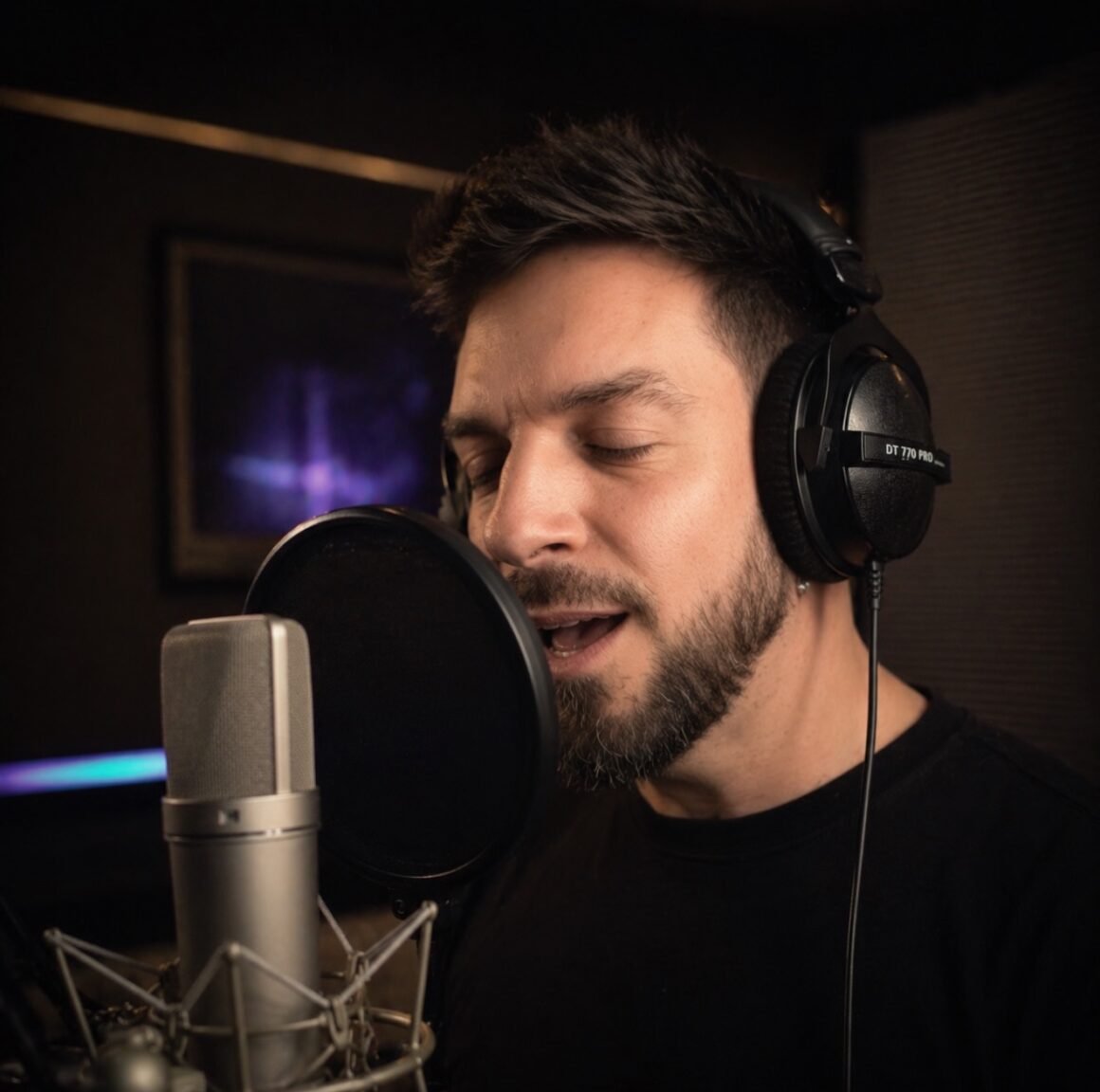
“Where It Begins”, right off the bat. To be able to join a choir and sit in an actual cathedral and record the song with this massive choir that kind of, to me, just reminded me of watching a Madonna concert. But it was that vulnerability of just pouring it in there and not worrying about what my voice sounds like, if it’s too Broadway, if it’s too, raspy or nasal or whatever it was, I just felt it and just went along with it, enjoying the atmosphere. In my mind I imagine being in this big, gigantic club, like a dance club, and being on a mirror ball coming down from the ceiling and just kind of telling the beginnings of a story and inviting people in, and then there’s just an explosion of happiness and joy and surrounding with everyone. It feels like a religious experience. So, to me, that’s kind of an anthem song for me and that’s why I love it.
One thing that stood out in our previous interview was your desire to create music that people could replay and emotionally live with. How do you know when a song has that kind of staying power?
When I can personally listen to it, that’s when I know, because as an artist I don’t necessarily want to listen to my voice all the time. When I find a song that I can vibe with, that I can really go along with and feel like I can share it with people and get a positive response, I send out a track every once in a while to some fans or some really close friends and people that are within the target range, so to speak, and they let me know. They’ll say, “Ah, it’s not my thing,” or they’ll say, “Oh, that’s a little too retro,” whatever it is. And sometimes they just send it back and they’re like, “Wow, that’s incredible. That made me move. That made me emotional. I just cried,” or something like that. And if it’s the same emotion, then I know that I got it across, and it doesn’t necessarily matter what the beat is. If someone listens to it and it pulls you in, that’s the banger.
Speaking of retro, Spotify changed their logo temporarily into a disco ball, which seems to be very timely, and people are so upset about it. Why do you think that’s the case?
Because I think to them it represents gay. It represents LGBT. It represents things that they’re moving against. They don’t want people to go to discos. Those are the people that are upset. The people that are upset are sitting at home, they’re watching soap operas they’re just drumming up reasons to cause chaos in someone else’s life. So, for me, when it came out, I loved it. I was like, “This is the most perfect timing I could possibly have” – especially for hashtags. You can’t go wrong with that. My music’s seen everywhere, and I love that. But I think a lot of the backlash is unnecessary, of course. I’ll ask my ChatGPT, “What are people saying about this? What is the general discussion?” and the answers that I get back are just horrific, and it somehow comes down to a party line thing. People are just upset because they don’t want to smile. They’d rather just have a boring life.
There is such a strong undercurrent of resilience in your music. Do you consciously try to leave listeners with hope?
Yes. 100%. There’s a tattoo that I personally have that relates to my lifeline. There’s a symbol that stands for hope and the last heartbeat that I had before my major stroke. A heartbeat tells a lot about somebody. It tells where their story goes, and if you visually look at it, it goes up and down. So, the connection to the end of it is deep within me. When you’ve lost everything, you really haven’t lost anything. You’re just paying attention too much to the outside world, and if you look within yourself and find the hope that’s within you, and not look anywhere else to find it, that’s what I want to present. You are strong enough to find your own hope. You don’t need to find it somewhere else. You’re your own worst enemy, of course, but you’re also your own best friend, so treat it that way.
Looking back at where you started with Reasons, what do you think has changed the most about you, not only as an artist, but as a person?
I think the self-expression and the storytelling. I think, when Reasons was in the works, I was writing a book and trying to figure out how to put these stories into song, but not lose all the lyrics. My first album was very wordy, with lot of storytelling, a lot of diving deep, and it felt like there were some good beats but there wasn’t anything that would necessarily resonate with someone. The biggest difference really is giving myself the opportunity to be a little bit more poetic with what I’m saying, so that way it hits a wider audience.
And the way it changed me…I feel like I listened to a very good friend of mine, Sarah Spiritual. She once told me that within yourself, you find healing energies. You find positive light. You can absorb things around you and listen for things, and she told me to go within myself. I always had her in the back of my mind while I was creating this album, because it was tapped into spirituality. It doesn’t have to be religion. Tap into that crowd, that congregation that you want to get together. It makes me kind of feel a little bit like a minister. It makes me feel like my storytelling could actually affect people. And, the feedback that I’ve gotten is very different from the first album. The first album, I want to say, resonated with, let’s say 40 to 65, that were more Gen X and were all angry. Gen X, we all have a chip on our shoulder, because that’s the way we were brought up. I think finding myself and realizing that, yes, hope is there. I want to give it to somebody else, but at the same time feel the strength from within myself and give myself a little credit where I’m due.
After such deeply personal projects that you’ve put out, do you feel emptied out creatively or more inspired than ever to just keep going?
That’s a huge thing for me. My brain condition doesn’t necessarily allow me to think of 100 things at once. However, I feel like I’ve got some electricity going on that is sparking. I even started writing a coming-of-age book about a gay teen growing up. I feel very creative and for the first time, I feel alive, now that I’ve taken my life back. And since doing that, it’s just been so much fun to create stuff. I would love to put out another album tomorrow. I have enough songs for it, I have a catalog right now of 40 songs just sitting there, and they can all be readjusted whenever. But I guess the spirituality from within myself is making me so creative and making me want to reach out to people, and I think the easiest way for me to reach out to people is very congregational. It’s very, let me put it here and let it spread, and that’s kind of where I’m at.
Did any musicians from the disco era inspire you when you were putting together this album?
Donna Summer right off the bat. She had a way of kind of telling a story loosely, with such a beat that people didn’t realize that they were dancing to something positive that would help uplift them.
If you could sum up The White Album in one emotion or one sentence, what would that be?
Resilience…but also strength, respect, ownership and responsibility.
What do you hope that your longtime listeners discover about you on this record that they haven’t maybe seen before?
That I have a fun side and that I’m not always so serious or angry or filled with angst. That I’ve found my happiness. I’ve found my family and the energy that I need, and I couldn’t be happier, to be honest with you. That’s kind of where I’m at. So, for me to be able to push that out, I feel like I have an abundance of joy and happiness and spirituality right now. I have everything within me. I can’t wait to share it with people and change people’s lives. I want them to take away that they’re strong enough and they don’t need anybody else. That they can just go out and have fun, and, go out by yourself and meet new friends and realize that not everybody is a bad person, as much as social media wants you to believe that. There’s a lot of really good people out there, so get out there and make the best of it, take my album with you and listen to it on the way to your dance club, on the way to work, whatever it is. But get yourself in a good mood. Feel uplifted, and move forward, and know that you can change everybody’s life with one smile.
The White Album is now available on Apple Music, iHeart or wherever you stream your music. Keep up with Gregg on Spotify and Instagram.