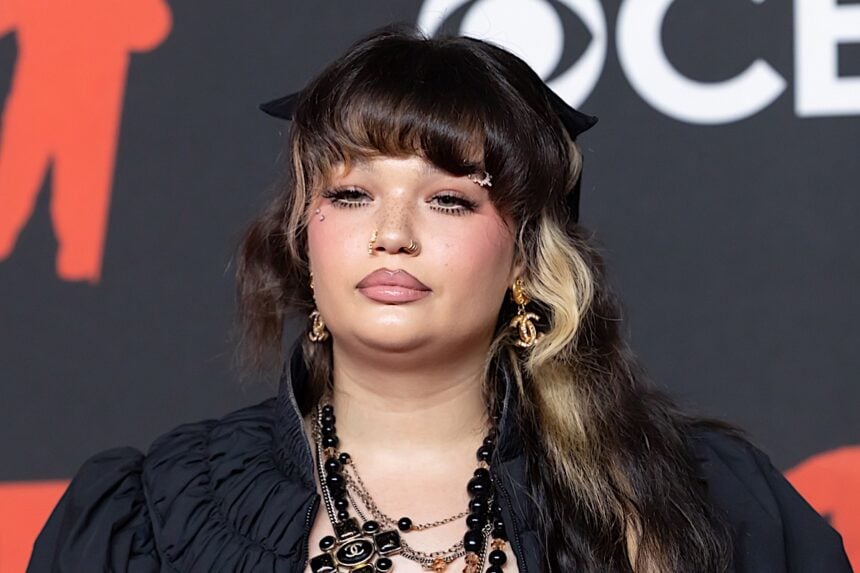
Summary
- Lola Young collapsed onstage at the All Things Go festival in September 2025 and announced an indefinite hiatus to focus on health, later revealing she had been battling cocaine dependency and schizoaffective disorder.
- The British singer made a triumphant comeback at the 2026 Grammy Awards, winning Best Pop Solo Performance for “Messy,” before headlining the London Palladium in March.
- In a new Rolling Stone cover story, Young takes full ownership of her self-harm and self-sabotage, stating plainly: “I chose to hurt myself.”
There’s a reason Lola Young named her biggest song “Messy.” The 25-year-old British singer-songwriter has never been interested in the cleaned-up version of her own story — not in her music, and not now, as she walks back into the spotlight after one of the most grueling stretches of her young career.
In a Rolling Stone cover story published Wednesday, Young lays bare the self-destruction that led to her onstage collapse at the All Things Go Music Festival in Queens, New York, on September 27, 2025 — and she isn’t pointing fingers at anyone but herself.
“I chose to hurt myself and self-sabotage, and I also chose to get onstage and perform,” she told Rolling Stone. It’s the kind of unflinching self-reckoning that has defined her as an artist, and it’s no less striking when she says it plainly, without a melody to cushion it.
The collapse was jarring and very public. In the middle of performing “Conceited,” Young fainted and had to be carried offstage by her crew. Three days later, she posted a statement that gave little away but said everything. “I’m going away for a while,” she wrote. “It pains me to say I have to cancel everything for the foreseeable future.”
What she didn’t fully disclose at the time was the scope of what she was managing. As her star continued to rise with “Messy,” Young’s increasingly busy schedule made it more and more difficult for her to manage her cocaine dependency and schizoaffective disorder, both of which she’s spoken about in the past.
“It was a whirlwind of a year,” Young says of 2025. “It was so mad and beautiful and exciting, but it was also, at times, very sad.”

The industry, as it tends to do, kept pulling. “You want to say yes to everything because everything’s on the table, but then you also have to balance that with your mental health,” she said. Young was explicit about where accountability lies: her manager, Nick Shymansky, had been urging her to slow down all along. “He’s the one who told me to stop; he’s always the one that told me to slow down,” she says. “He is an incredible manager.”
Young made a point to refocus on health over the following months, and by December 2025, she offered fans a measured but hopeful update. “I just wanted to express gratitude to everyone who has given me time and space to gather myself and get my head in a better place,” she wrote on Instagram. “I’ve felt so much love and support from you all and it has helped more than you will ever know.”
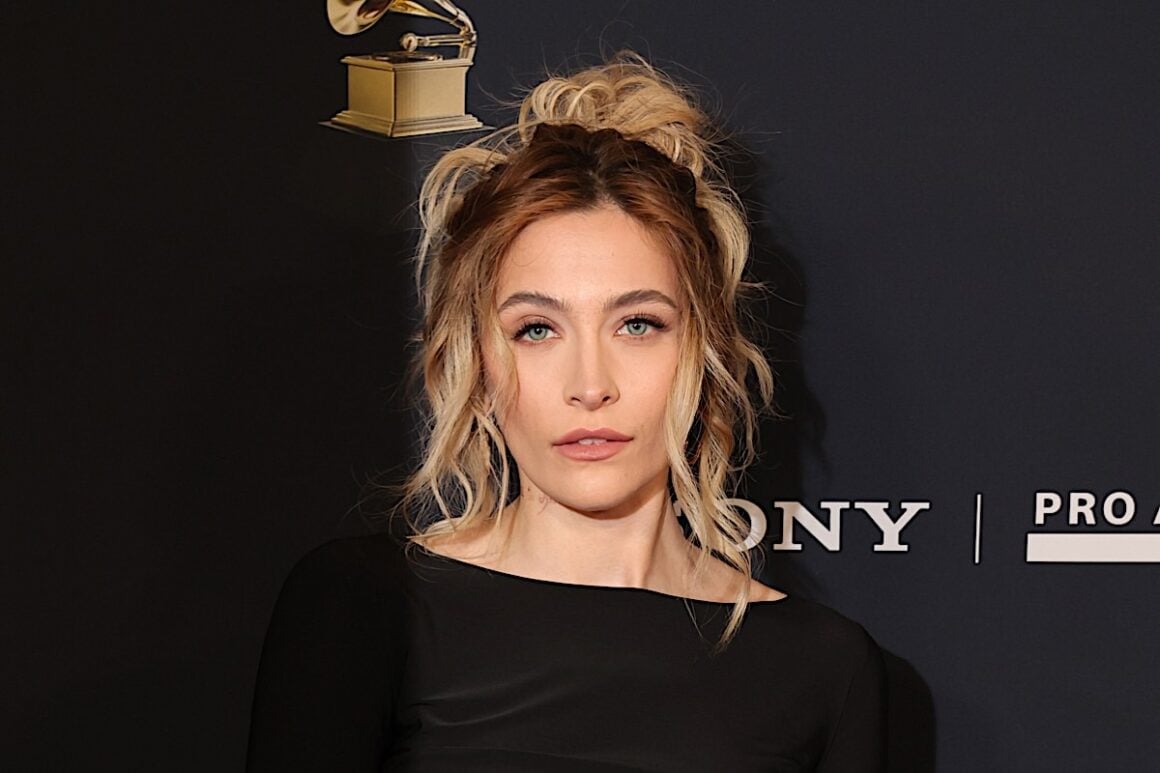
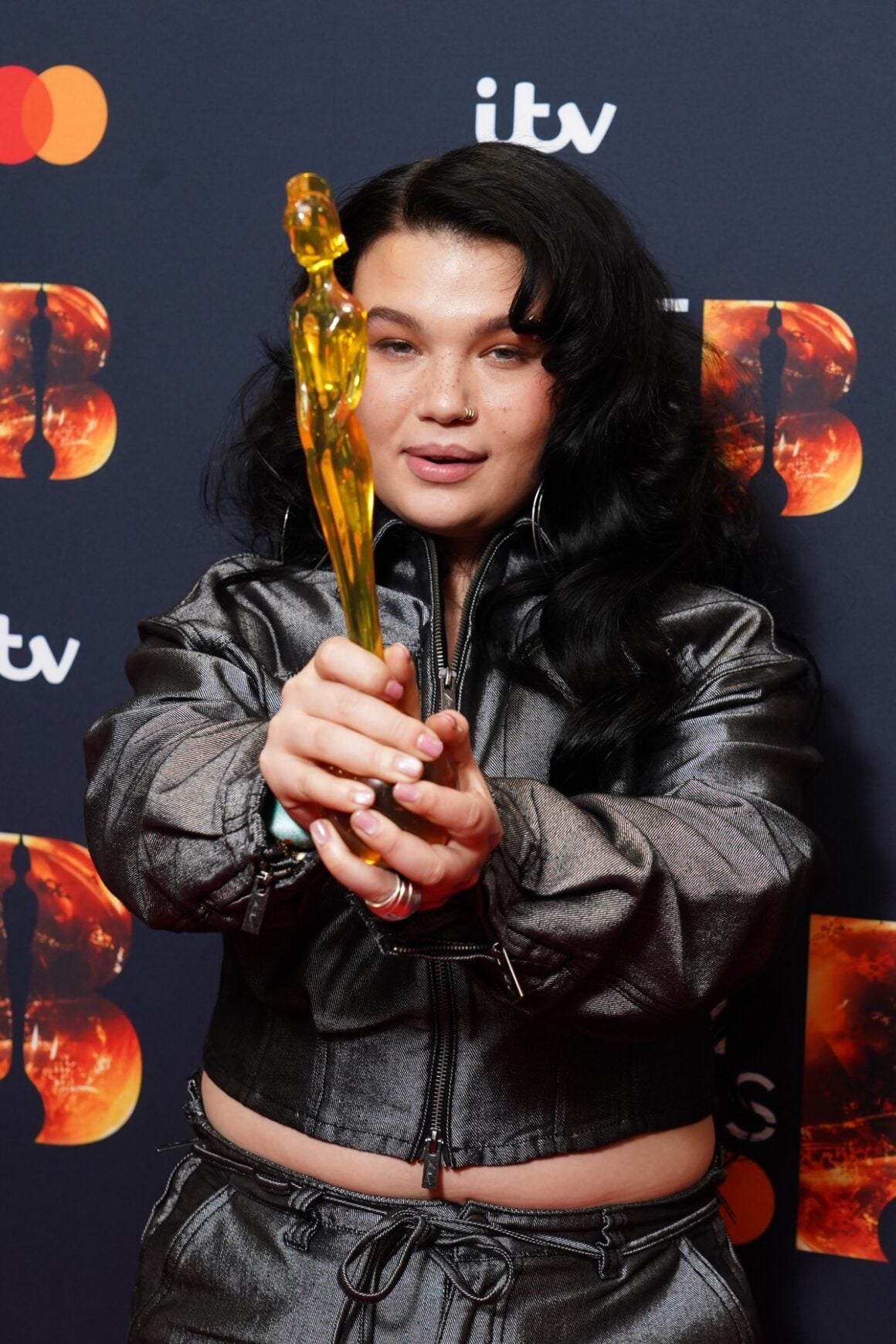
The comeback, when it came, was worth the wait. On February 1, 2026, Young took the Grammy stage for the first time — just after winning her first Grammy Award for Best Pop Solo Performance for “Messy.” “I was actually nervous as hell. I can’t lie,” Young told Variety backstage. “I don’t like sugarcoating things.”
It was a moment that carried weight well beyond the trophy. “I’ve been away, I’ve taken some time out, and this is a beautiful comeback,” she said. “It feels like a moment I’ll remember, and maybe other people will remember, hopefully.”
At Spotify’s Best New Artist Party in Los Angeles just days prior, her first major performance since the health scare, Young told the crowd: “I haven’t performed since September, so this is a very, very special moment for me.” She added, simply, that she was “back and feeling better than ever.”
From the Grammys, the comeback continued to the London Palladium on March 4th — her first headline show since collapsing onstage and canceling her tour last autumn. She played a short, intimate one-off set with modest production — joined by a band — that marked a careful return to live performance. The restraint felt intentional, not cautious. She was taking her time.
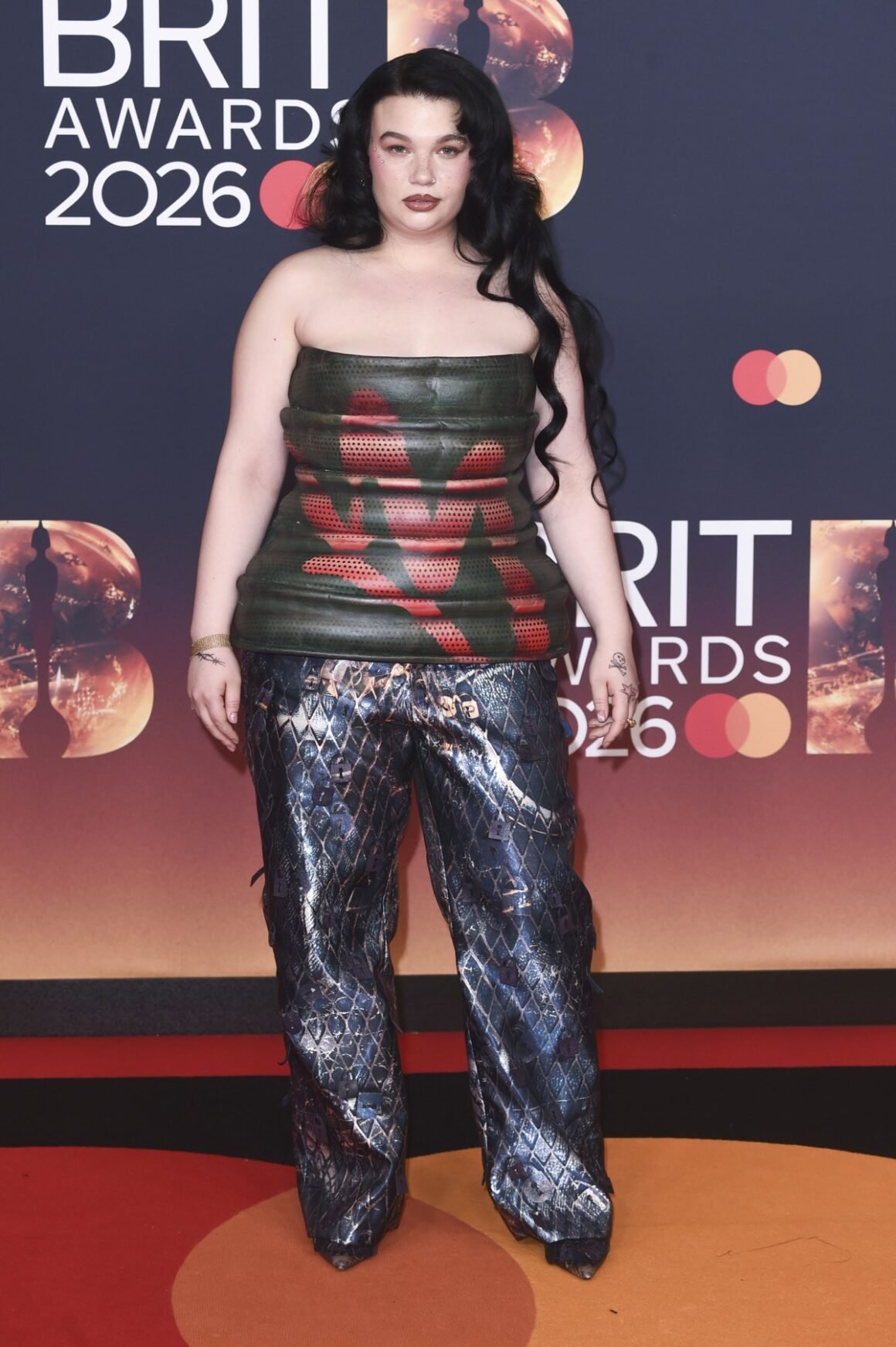
The lessons, she says, have been hard-won. “We’ve learned that things need to slow down, and that’s really healthy to know that,” she says.
Elton John, a devoted admirer, offered his own assessment of what makes Young’s voice so impossible to look away from. “There’s a rare honesty in her voice that just stops you in your tracks — it’s raw, soulful, and completely unfiltered,” he wrote in an email to Rolling Stone. “Musicians like Lola don’t come around very often, she is incredibly special.”
Young has never been the kind of artist who tidies up her narrative for public consumption. Her focus on health is real, her self-harm is acknowledged, and her comeback is unfolding exactly the way she wants it to — on her own terms, at her own pace. That, perhaps more than the Grammy, is the real headline.
MORE POP CULTURE HEADLINES