NEED TO KNOW
- Harry Styles spoke candidly for the first time about grieving Liam Payne’s October 2024 death in an Apple Music interview with Zane Lowe.
- Styles described the discomfort of navigating public grief while processing deeply personal loss, saying fans seemed to “own part of your grief.”
- The experience became a catalyst for Styles’ new album and a renewed commitment to living life fully in honor of his late friend.
It took more than a year, but Harry Styles is finally ready to talk about it.
In a wide-ranging interview with Apple Music’s Zane Lowe, released March 4, Styles opened up for the first time about the grief he’s been carrying since the death of his One Direction bandmate Liam Payne — and what that loss ultimately forced him to confront about his own life.
Payne died at age 31 after falling from a hotel balcony in Argentina in October 2024. Styles and his former bandmates attended the funeral, but Styles had largely stayed silent publicly about the loss — until now.
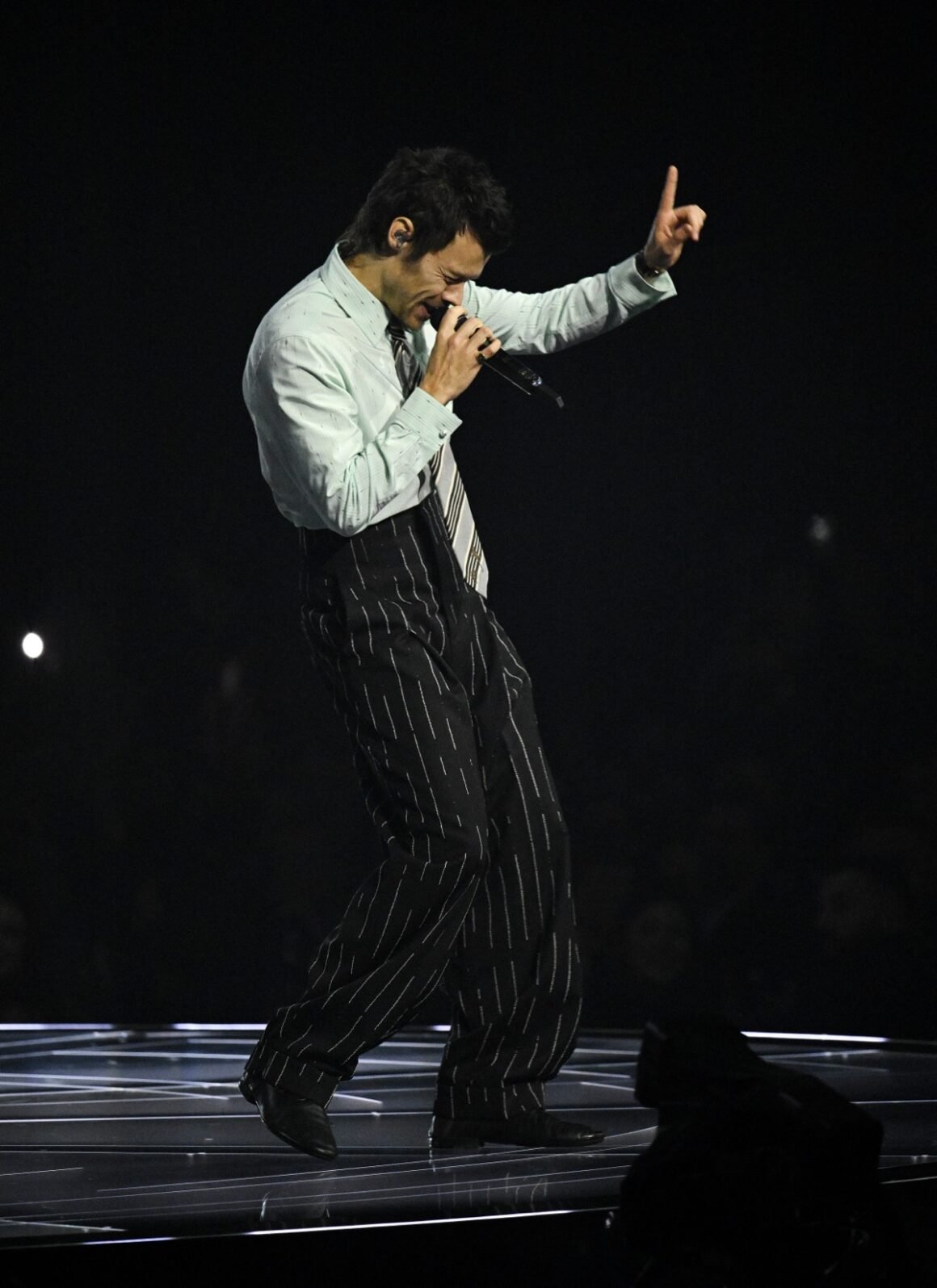
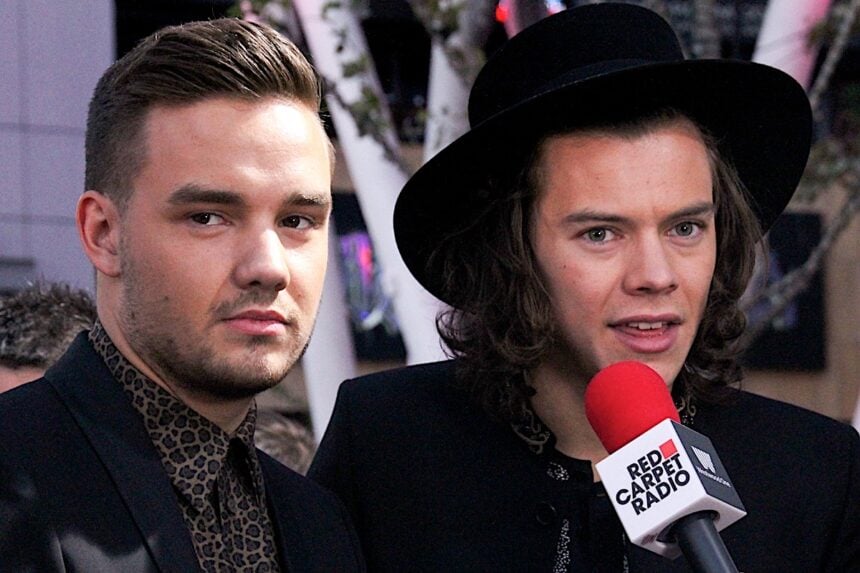
“Full transparency,” Styles told Lowe, “it’s something that, even the idea of talking about it, I struggle with that a little bit even.”
That struggle, it turns out, is layered. Styles wasn’t just grappling with grief in the ordinary, devastating sense. He was navigating it inside a fishbowl, with millions of fans watching and waiting for him to perform his mourning on cue.
“I think there was a period when he passed away where I really struggled with kind of like acknowledging how strange it is to have people kind of like own part of your grief in a way,” Styles said. “I have such strong feelings around my friend passing away. And then suddenly being aware of there’s maybe like a desire from other people of you to convey that in some way, or it means you’re not feeling what you’re feeling or something.”
It’s a tension that’s uniquely brutal for anyone famous — the way public grief becomes a performance expected of you, regardless of where you actually are in processing it. Styles, to his credit, named that dynamic directly instead of pretending it didn’t exist.
But beyond the weirdness of mourning under a microscope, what Styles described was something much more intimate. “It’s so difficult to lose a friend who is so like you in so many ways,” he said. “I saw someone with the kindest heart who just wanted to be great.”
He called Payne a “super special person” — one whose death didn’t just sadden him but shook something loose.
“It was a really important moment for me in terms of taking a look at my life and being able to say to myself, ‘OK, what do I want to do with my life? How do I want to live my life?'” Styles said. “And I think the greatest way you can honor your friends who pass away is by living your life to the fullest.”
That ethos flows directly into his forthcoming fourth studio album, Kiss All the Time. Disco, Occasionally, due March 6. The hedonistic escape of the album is rooted in the time Styles spent embracing a sense of normalcy for the first time following the conclusion of his extensive Love on Tour. It’s his first album since Payne’s death, and the emotional fingerprints of that loss are clearly all over the record’s DNA — even if indirectly.
Styles isn’t alone in sitting with how hard this one hit. Each member of One Direction — Styles, Niall Horan, Louis Tomlinson, and Zayn Malik — has emerged with new music in some form in the year and a half since Payne died. Malik dedicated a performance to Payne in his hometown. Louis Tomlinson, who has faced devastating personal losses before, told The Independent, “I naively thought that, at this point, I’d unfortunately be a little bit more well-versed with grief than other people my age. I thought that might mean something, but it didn’t at all.” He added, “It’s something I’ll never really accept, I don’t think.”


There’s something quietly profound about four men, shaped by the same impossible rocket ship ride to fame, each finding their own way through grief — and doing it largely through music, which is the only language they all learned to speak together.
For Styles, speaking about Liam Payne’s death isn’t a PR move ahead of a new release. The timing may be convenient, but the weight in his words isn’t. He’s not performing grief. He’s describing what it actually felt like to lose a friend who mirrored him — and to figure out, in the aftermath, what it means to live in a way that honors that.
That’s not easy to say out loud. That he’s saying it at all means something.
MORE POP CULTURE HEADLINES