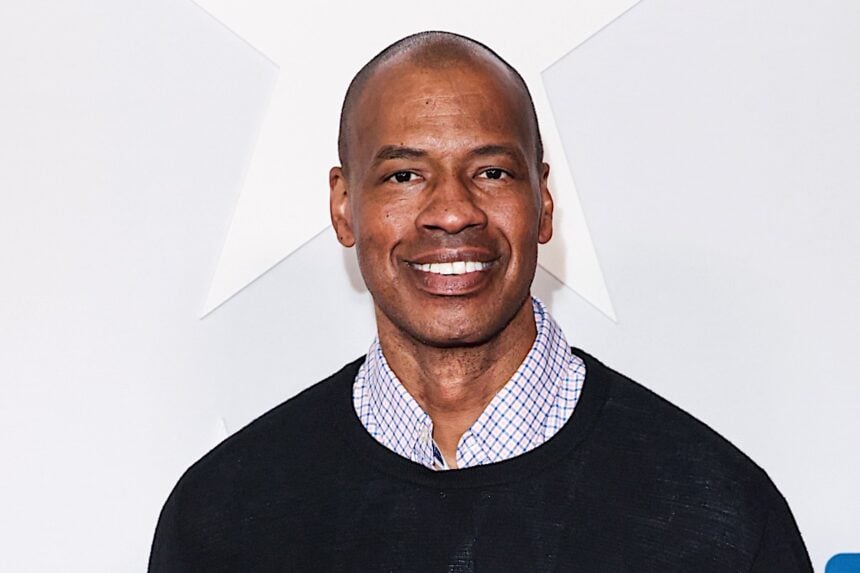
Highlights
- Jason Collins, the first openly gay active NBA player, dead at 47 after 8-month glioblastoma battle
- Collins made history in a 2013 Sports Illustrated essay, changing pro sports forever
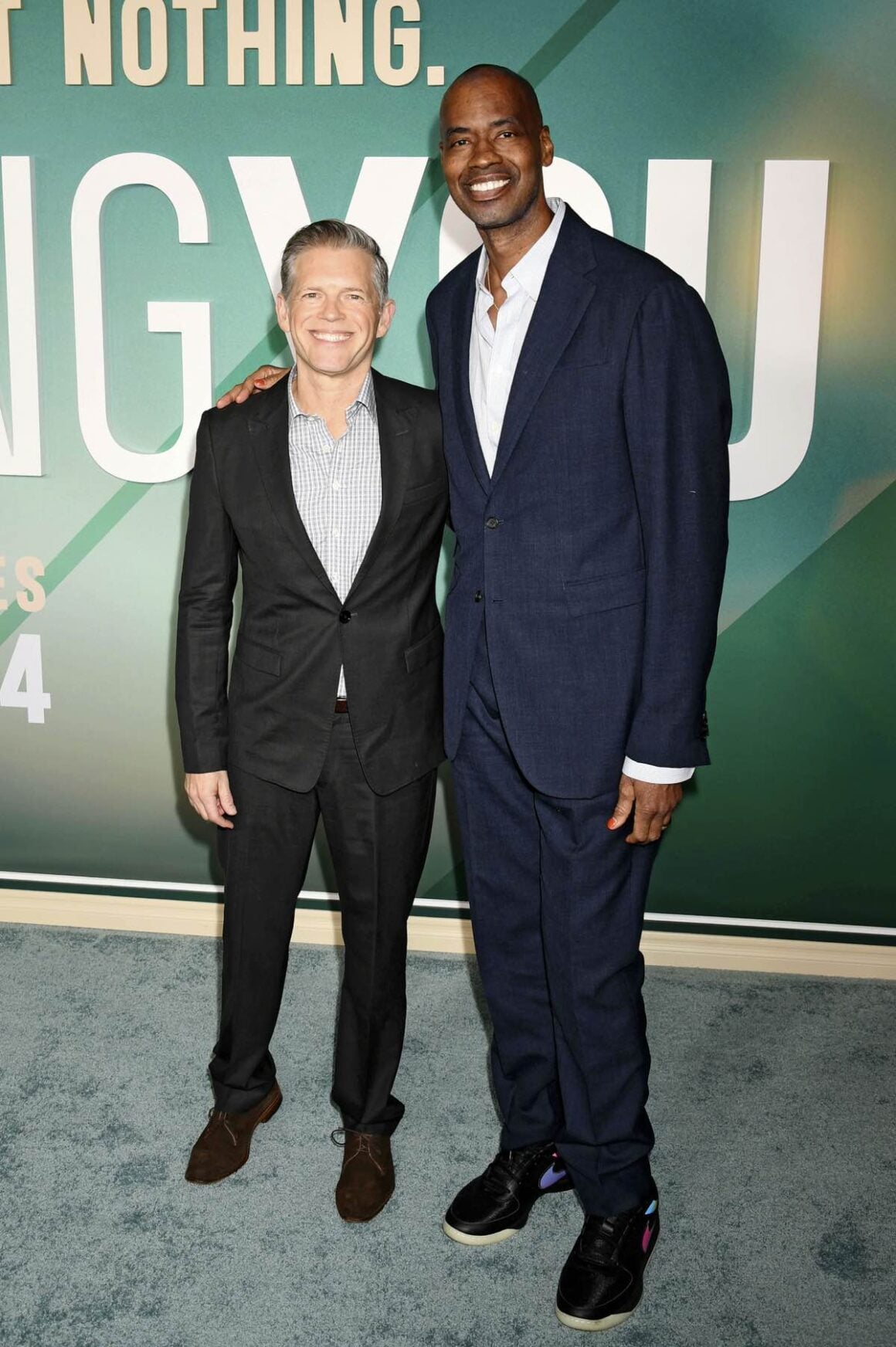
- He is survived by husband Brunson Green and twin brother, former NBA player Jarron Collins
Jason Collins, the groundbreaking NBA player who became the first openly gay active player in any of America’s four major professional sports leagues, is dead. He was 47.
His family confirmed the heartbreaking news in a statement released through the NBA: “We are heartbroken to share that Jason Collins, our beloved husband, son, brother and uncle, has died after a valiant fight with glioblastoma.”
Collins had been battling the devastating diagnosis for months following treatment for glioblastoma, an aggressive and deadly form of brain cancer.
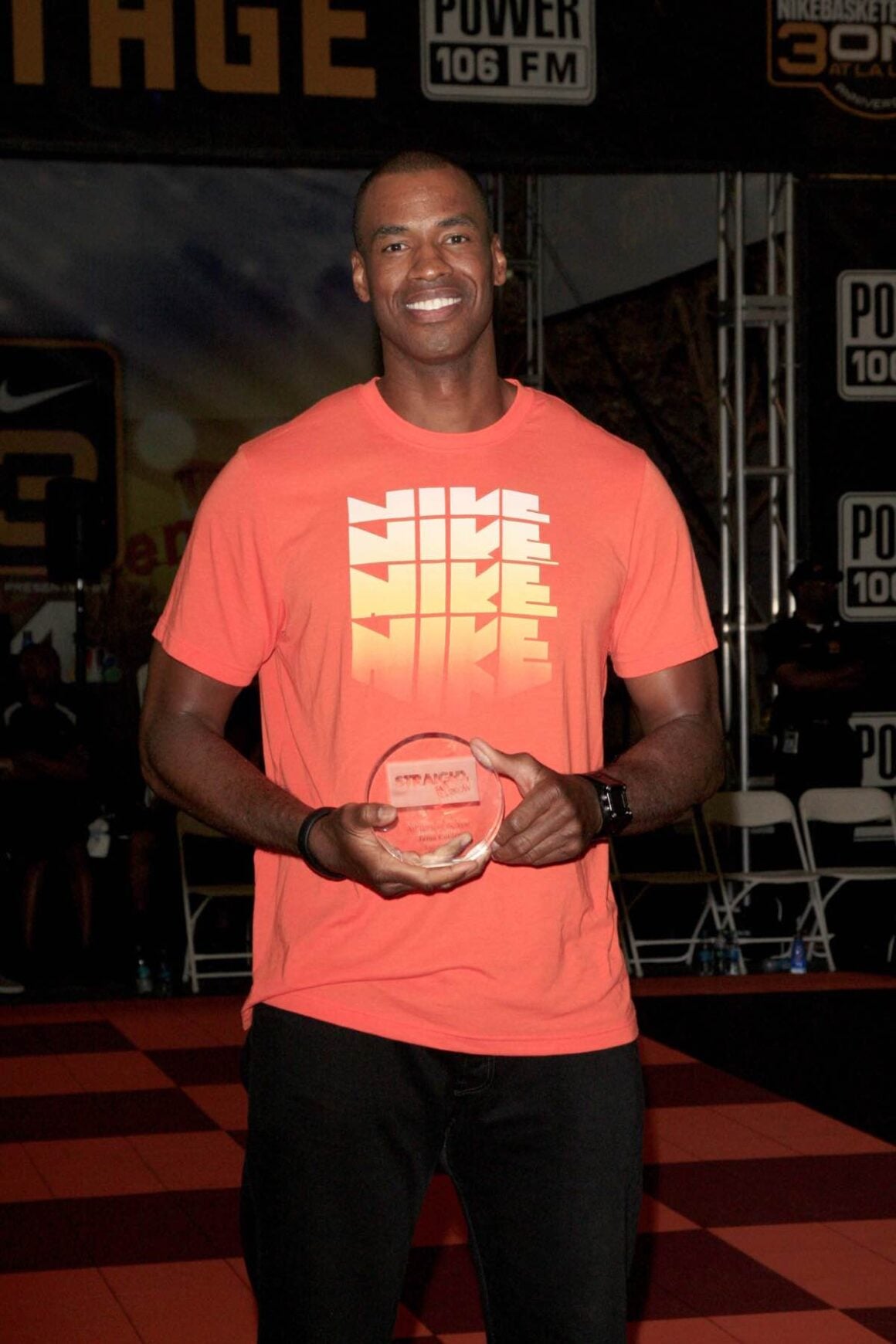
The family’s statement continued: “Jason changed lives in unexpected ways and was an inspiration to all who knew him and to those who admired him from afar. We are grateful for the outpouring of love and prayers over the past eight months and for the exceptional medical care Jason received from his doctors and nurses. Our family will miss him dearly.”
A Pioneer Who Rewrote the Playbook
Collins spent 13 years as a player in the league for six different franchises, and he revealed in 2013 that he was gay — an announcement that came toward the end of his playing career.
Collins revealed his sexuality in a first-person account for Sports Illustrated in April 2013. He was a free agent at the time, said he wanted to keep playing, and went on to play in 22 games with Brooklyn the following season.
The response to his announcement was seismic. Collins said he received a phone call from former point guard Tim Hardaway, who had previously said that he hated gay people in a radio interview. Former Los Angeles Lakers star Kobe Bryant, who was once fined for using an anti-gay slur at an official, praised Collins on social media at the time.
Proud of @jasoncollins34. Don't suffocate who u r because of the ignorance of others #courage #support #mambaarmystandup #BYOU
— Kobe Bryant (@kobebryant) April 29, 2013Collins never shied away from using his platform. He wore jersey No. 98 for the majority of his final three playing stints with Boston, Washington and Brooklyn — a nod to the year that Matthew Shepard, a gay college student in Wyoming, was killed.
“My message to other athletes, period, is just be yourself,” Collins said in 2014 after rejoining the Nets. “Be your true, authentic self and never be afraid or ashamed or have any fear to be your true, authentic self.”
The Diagnosis That Shocked the Sports World
Collins’ family first announced he was being treated for a brain tumor on Sept. 11, 2025. By December, the athlete revealed he had been diagnosed with Stage 4 glioblastoma.
Collins spoke out directly, telling ESPN: “A few months ago, my family released a short statement saying I had a brain tumor. It was simple, but intentionally vague. They did that to protect my privacy while I was mentally unable to speak for myself and my loved ones were trying to understand what we were dealing with. But now it’s time for people to hear directly from me. I have Stage 4 glioblastoma, one of the deadliest forms of brain cancer. It came on incredibly fast.”
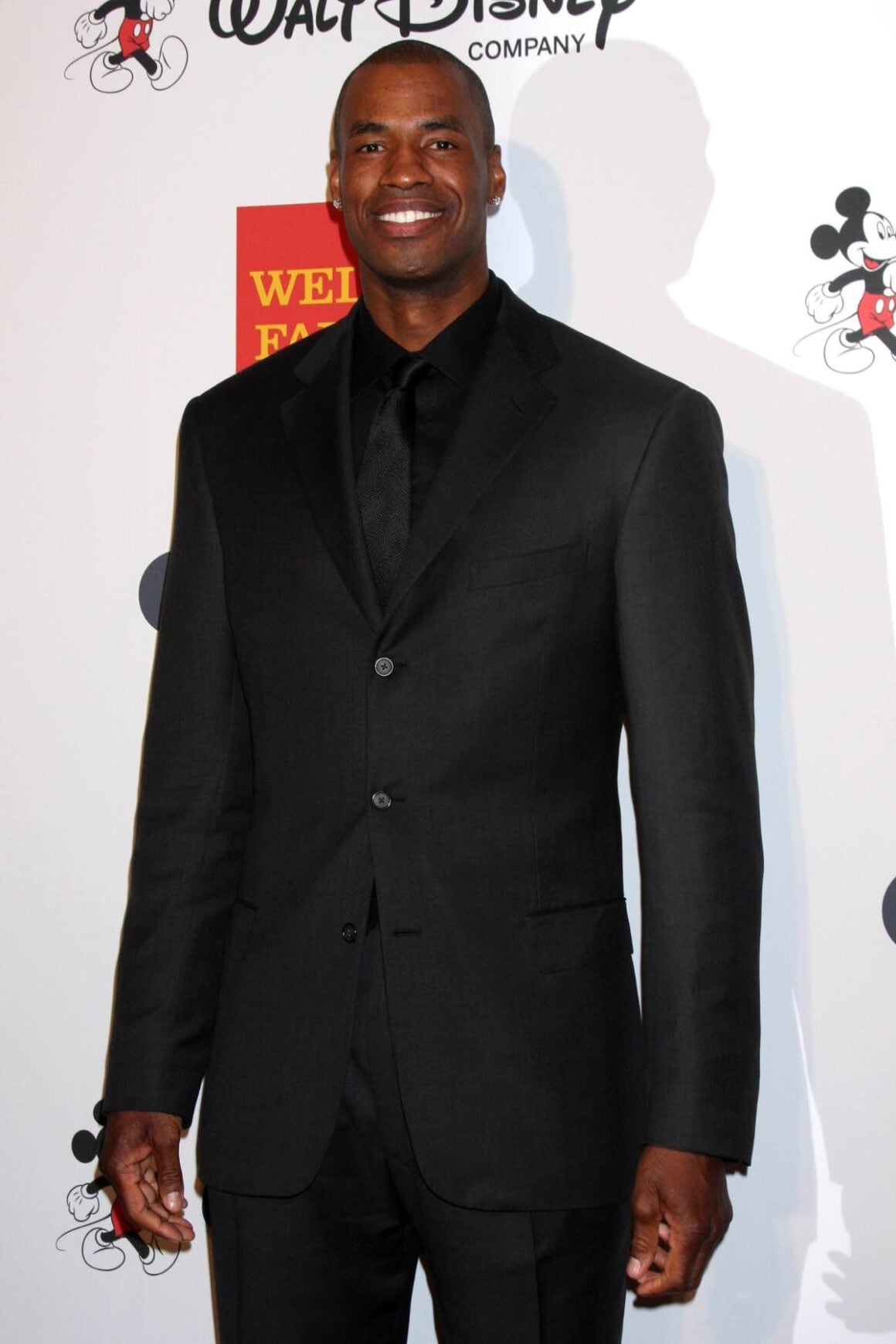
Collins had only been married three months when the symptoms began. He described being unable to focus while packing for a trip to the U.S. Open, and then, within “hours, my mental clarity, short-term memory and comprehension disappeared.”
He described his experience with dark humor, writing: “According to my family, in hours, my mental clarity, short-term memory and comprehension disappeared — turning into an NBA player’s version of Dory from Finding Nemo.”
The biopsy revealed that his glio had a growth factor of 30%, meaning the tumor would run out of room within weeks if left untreated. He described it as “wild type” — with mutations that made it “even more deadly and difficult to treat.”
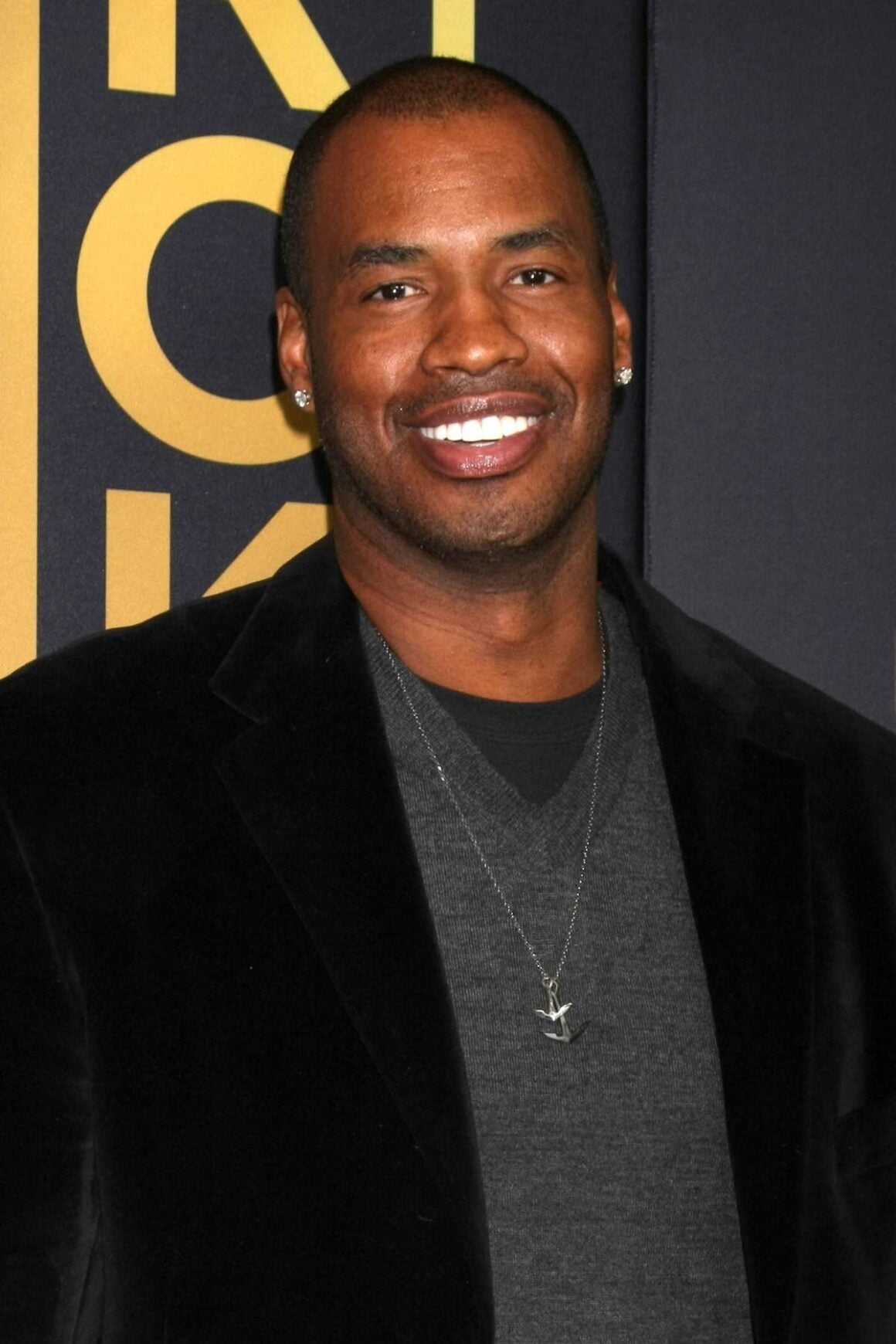
Even out, facing death, Collins drew a direct line to the courage that had defined his life. “After I came out, someone I really respect told me that my choice to live openly could help someone who I might never meet,” he said. “I’ve held onto that for years. And if I can do that again now, then that matters.”
“If what I’m doing doesn’t save me, I feel good thinking that it might help someone else who gets a diagnosis like this one day,” Collins added.
The League Mourns One of Its Own
Just last week, Collins received the inaugural Bill Walton Global Champion Award at the Green Sports Alliance Summit. He was too ill to attend and his twin brother, former NBA player Jarron Collins, accepted for him.
Jarron said at the ceremony: “I told my brother this before I came here: He’s the bravest, strongest man I’ve ever known.”
NBA Commissioner Adam Silver did not hold back in his tribute. Silver said Collins’ “impact and influence extended far beyond basketball as he helped make the NBA, WNBA and larger sports community more inclusive and welcoming for future generations. He exemplified outstanding leadership and professionalism throughout his 13-year NBA career and in his dedicated work as an NBA Cares Ambassador.”
NBA Commissioner Adam Silver issued the following statement today regarding the passing of NBA Cares Ambassador and former NBA player Jason Collins:
“Jason Collins’ impact and influence extended far beyond basketball as he helped make the NBA, WNBA and larger sports community… pic.twitter.com/7mygdEsDCs
— NBA (@NBA) May 12, 2026Dallas coach Jason Kidd, a former teammate, posted a tribute on X: “This one hurts. Jason Collins was a pioneer. He had courage like you’ve never seen. He was an incredible teammate. And having him in Brooklyn at the start of my coaching journey meant so much. Those who knew him were blessed to call him a friend. You are already missed my brother. Rest in power.”
This one hurts. Jason Collins was a pioneer. He had courage like you've never seen. He was an incredible teammate. And having him in Brooklyn at the start of my coaching journey meant so much. Those who knew him were blessed to call him a friend. You are already missed my… pic.twitter.com/gG2jWoGRIF
— Jason Kidd (@RealJasonKidd) May 12, 2026Collins reflected on the full arc of his journey in his ESPN essay in December 2025, writing: “I got to tell my own story, the way I wanted to. And now I can honestly say, the past 12 years since have been the best of my life.”
Jason Collins is survived by his husband, Brunson Green, parents, Portia and Paul, and his twin brother, Jarron.