Highlights
- Jordan Firstman’s gritty new film captures the messy reality of millennial nightlife without any judgment.
- He specifically layered transgressive queer comedy beneath a warm story to reach very diverse demographics.
- The director is proudly leading a bold new generation of queer filmmakers taking over the movie industry.
Jordan Firstman is not here to apologize for the messy, drug-fueled millennial malaise driving his new movie. His buzzy directorial debut, Club Kid, is currently tearing through the festival circuit and forcing everyone to face the music.
He is utterly done sugarcoating the prolonged, chaotic adolescence of his peers. “A general millennial malaise, like, what are we doing?” he tells Variety.
Firstman points to a collective delusion stalling his entire generation. “The pandemic was six years ago, and we still feel like we’re in our 20s — but we’re not.”
This generational hangover heavily influenced the film’s gritty, unfiltered reality. “This has permeated our culture. So many friends of mine wanted to stop partying and didn’t know how.”
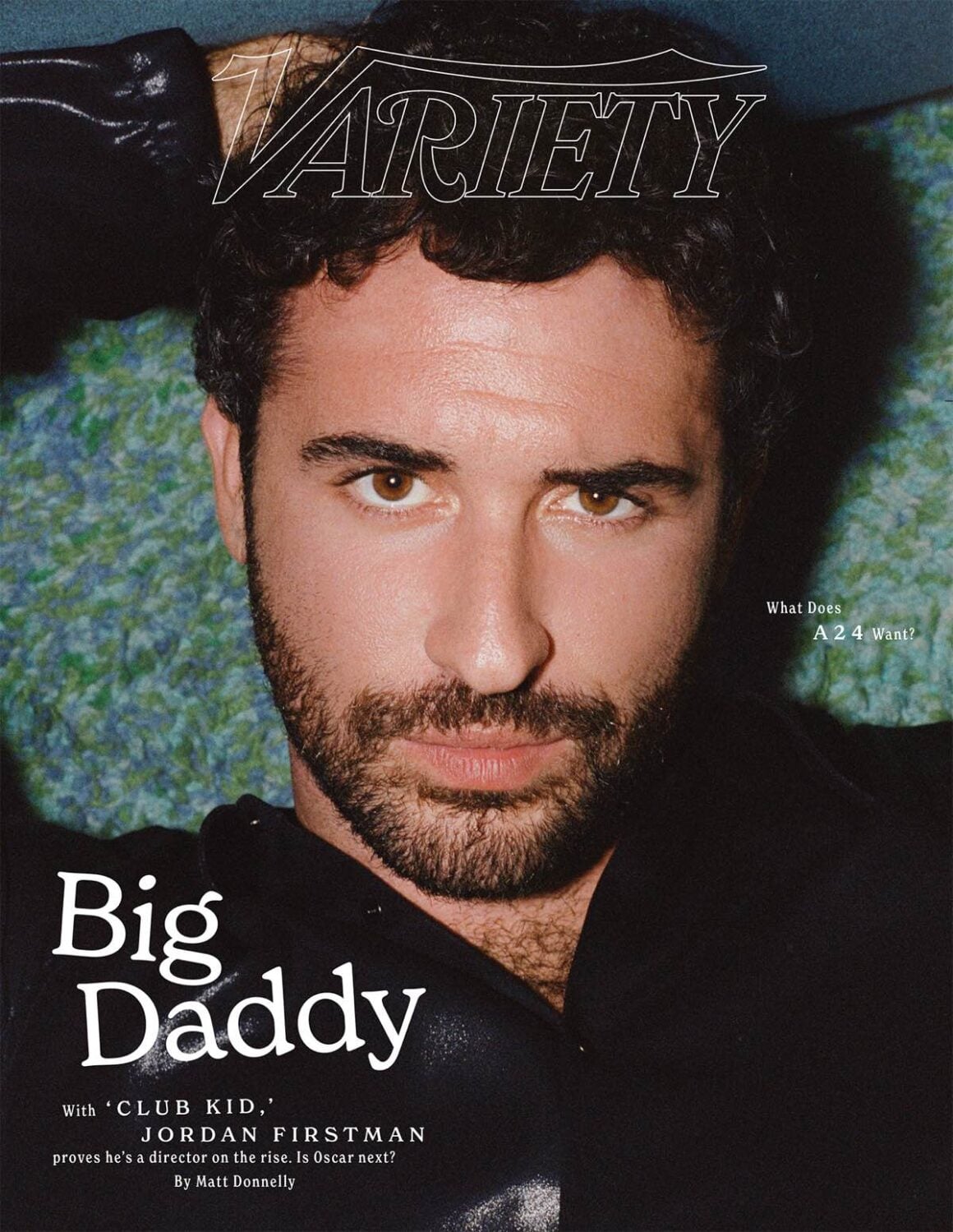
Firstman insists he is serving up pure, unadulterated reality without passing judgment on the chaos. “The world of this movie isn’t sensationalized: I don’t put a positive or negative lens on the party scene.”
Instead, he simply highlights the raw truth of his characters. “I just try to show these people for their beauty and their flaws and their creativity. I wanted to explore what felt universal.”
Navigating the famously brutal gay press tour is no easy feat, but Firstman is holding his own. “You really can’t try to steer the narrative within the gay community.”
He remains unapologetic about his vision and fiercely protective of his team. “But I’m speaking to them from my heart, and I feel confident in what I’m showing them. I’m also doing my best to be a good friend, and to protect my cast.”
The response from the toughest critics has been shockingly validating. “It’s been amazing seeing messages from people who say they feel seen by the movie— even the judgy-ass bitches in the nightlife community.”
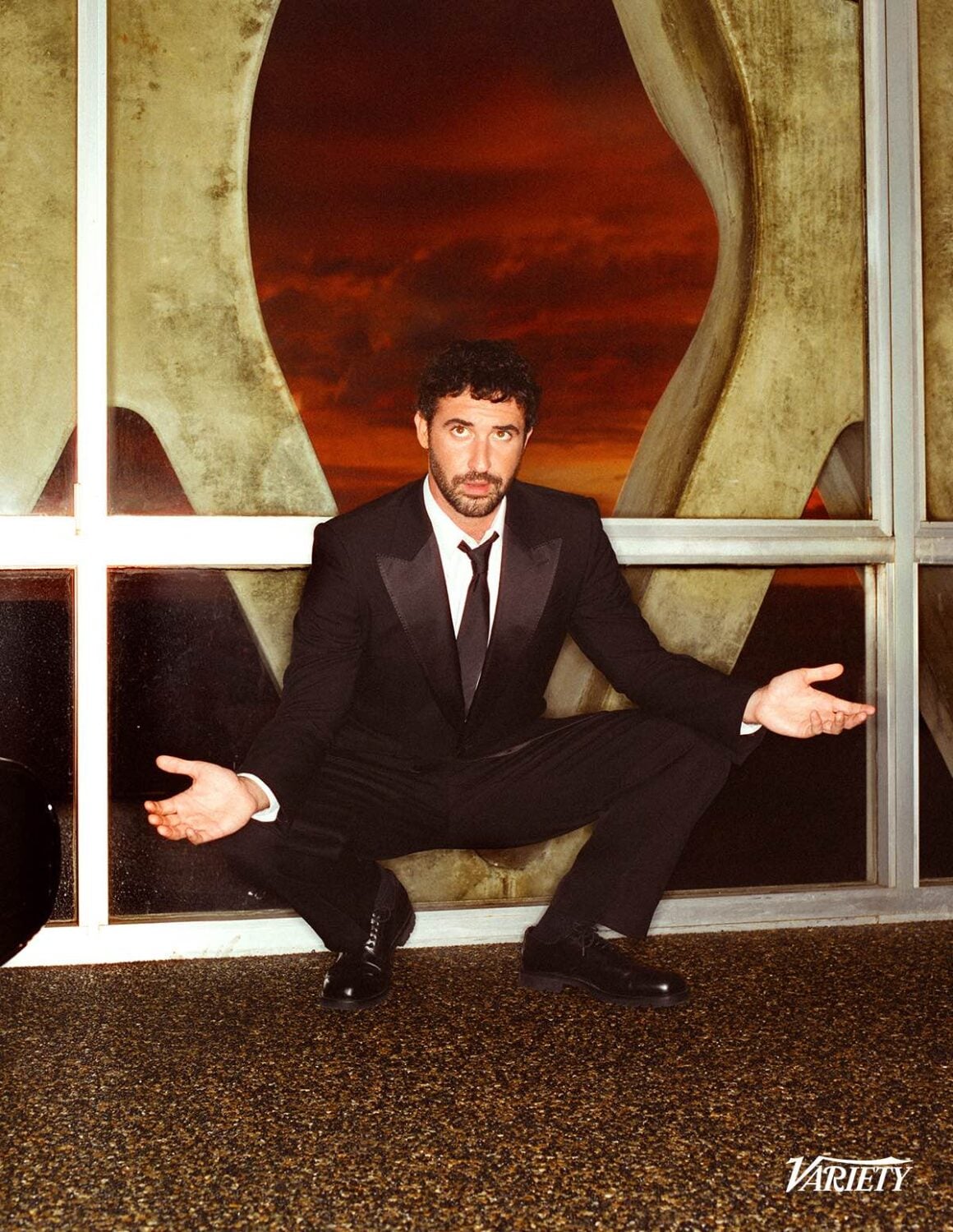
Earning respect from the toughest crowd in town is a massive win. “They were like, ‘You did that.'”
The humor in Club Kid bridges the gap between hyper-niche gay culture and mainstream comedy. Firstman crafted a highly specific scene that lands perfectly across demographics.
“If I want a bunch of gays to be screaming the Nicki Minaj speech, the gays will like that.”
Heterosexual audiences are also entirely in on the joke. “But a straight guy will still get the message — you’re trapped in the bathroom with annoying gays.”
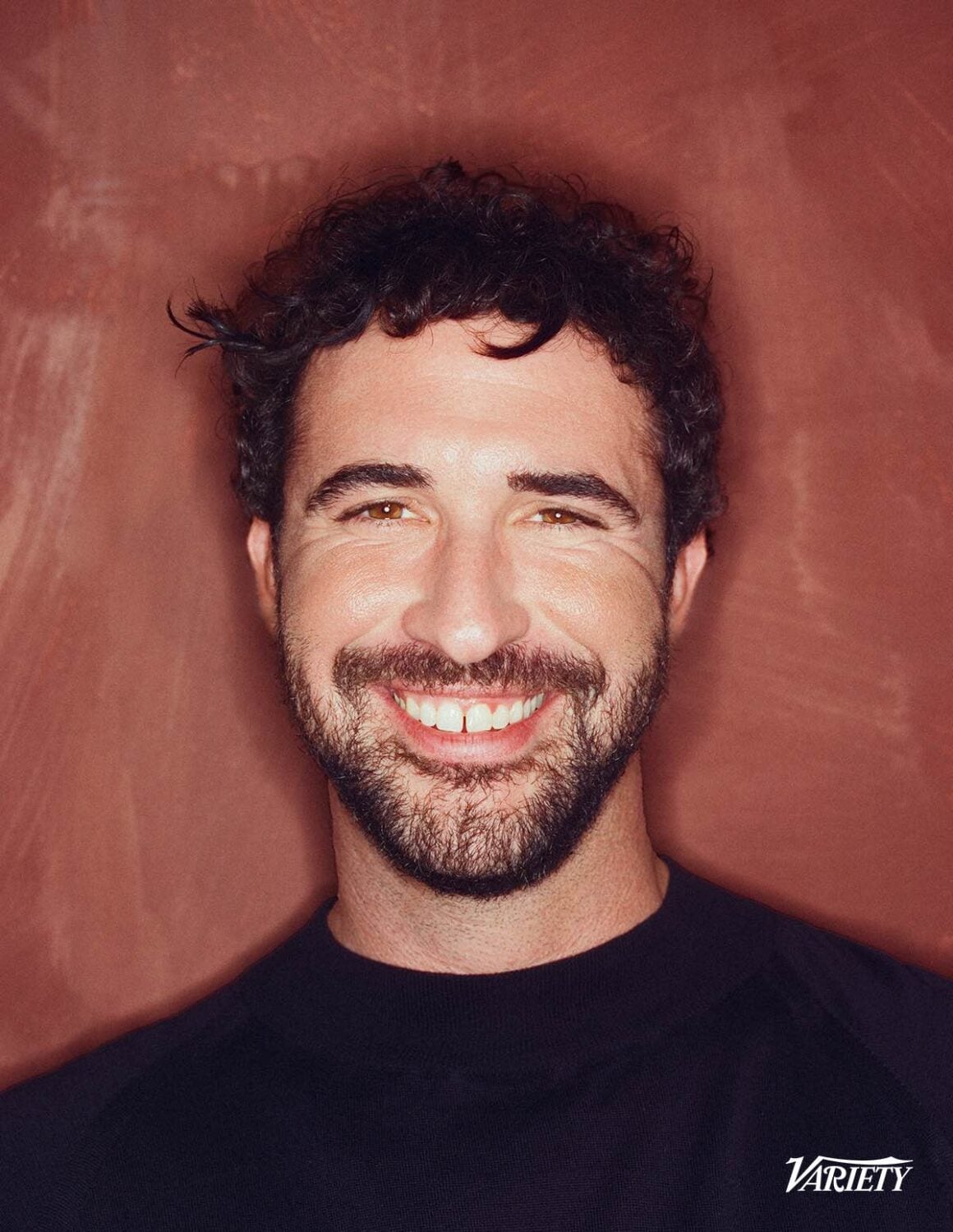
This widespread appeal was entirely by design, carefully layered to disarm viewers. “It’s been amazing to see the kinds of people that relate to this film, but it really is a movie about growth. I built the story to work on levels, with the top being a layer of warmth that feels like a hug.”
Once the audience is comfortable, Firstman pulls the rug out. “I explore some of my more transgressive ideas beneath the surface.”
The result is a chaotic masterpiece that somehow resonates with vastly different demographics. “In Telluride, I watched a 75-year-old conservative man leave the theater in tears.”
Taking the film to the New York Film Festival brought an entirely different, highly critical demographic. Firstman admits he was nervous to screen the movie for “the 35-year-olds who do drugs.”
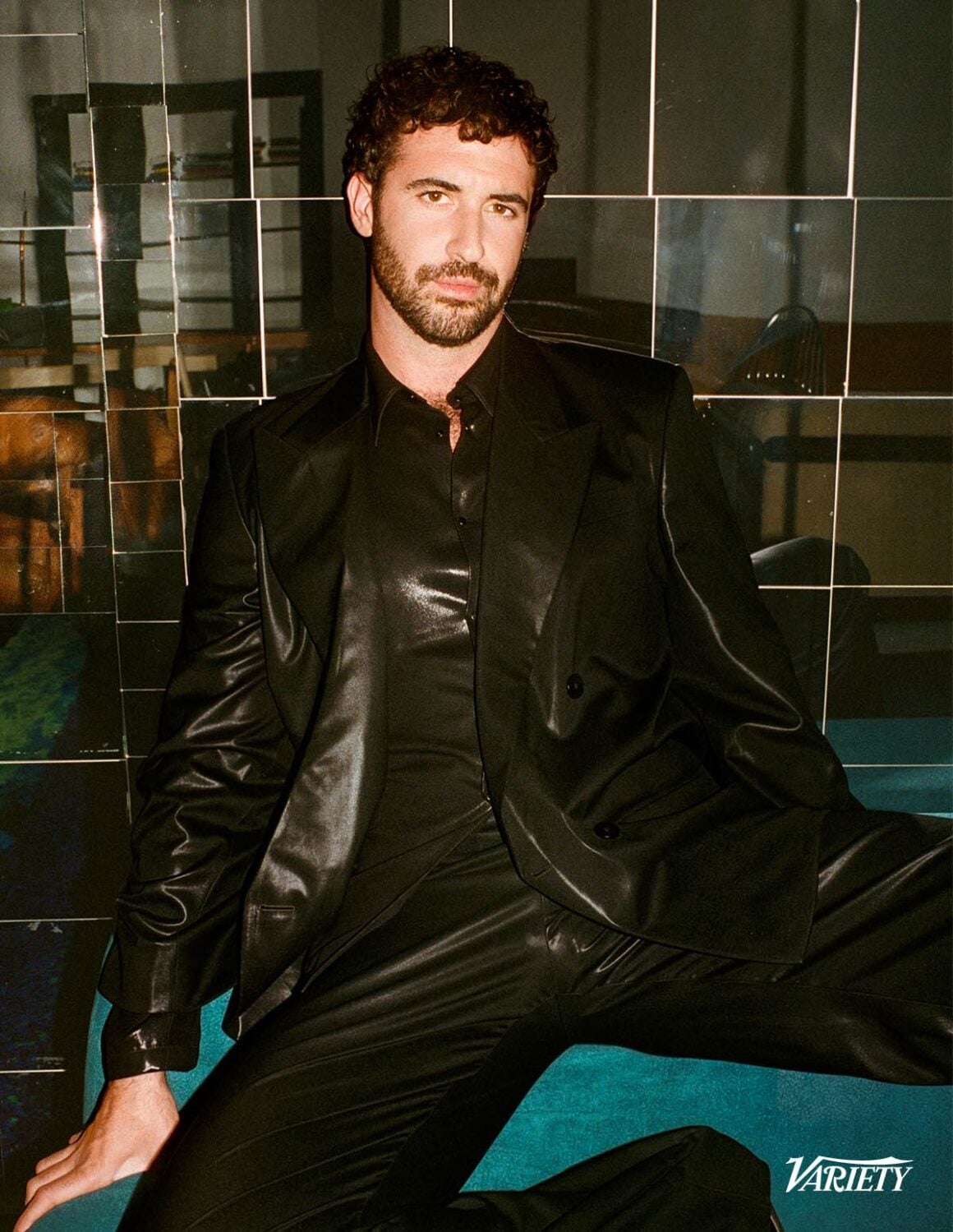
No matter who is watching, the core message manages to cut through the noise. “If you don’t get it, there’s still a story that will make you laugh and feel something.”
Firstman never actually planned on joining the ranks of Oscar-contending indie darlings. He originally saw himself following the path of millennial television creators.
“It was the era of the TV auteurs. Phoebe Waller-Bridge, Donald Glover, Lena Dunham: I had a voice and felt confident I could do that. They are storytellers.”
Stepping behind the camera for a feature film forced him to face his biggest insecurities. “The directing part has always been scary to me, because I’m not as versed in images.”
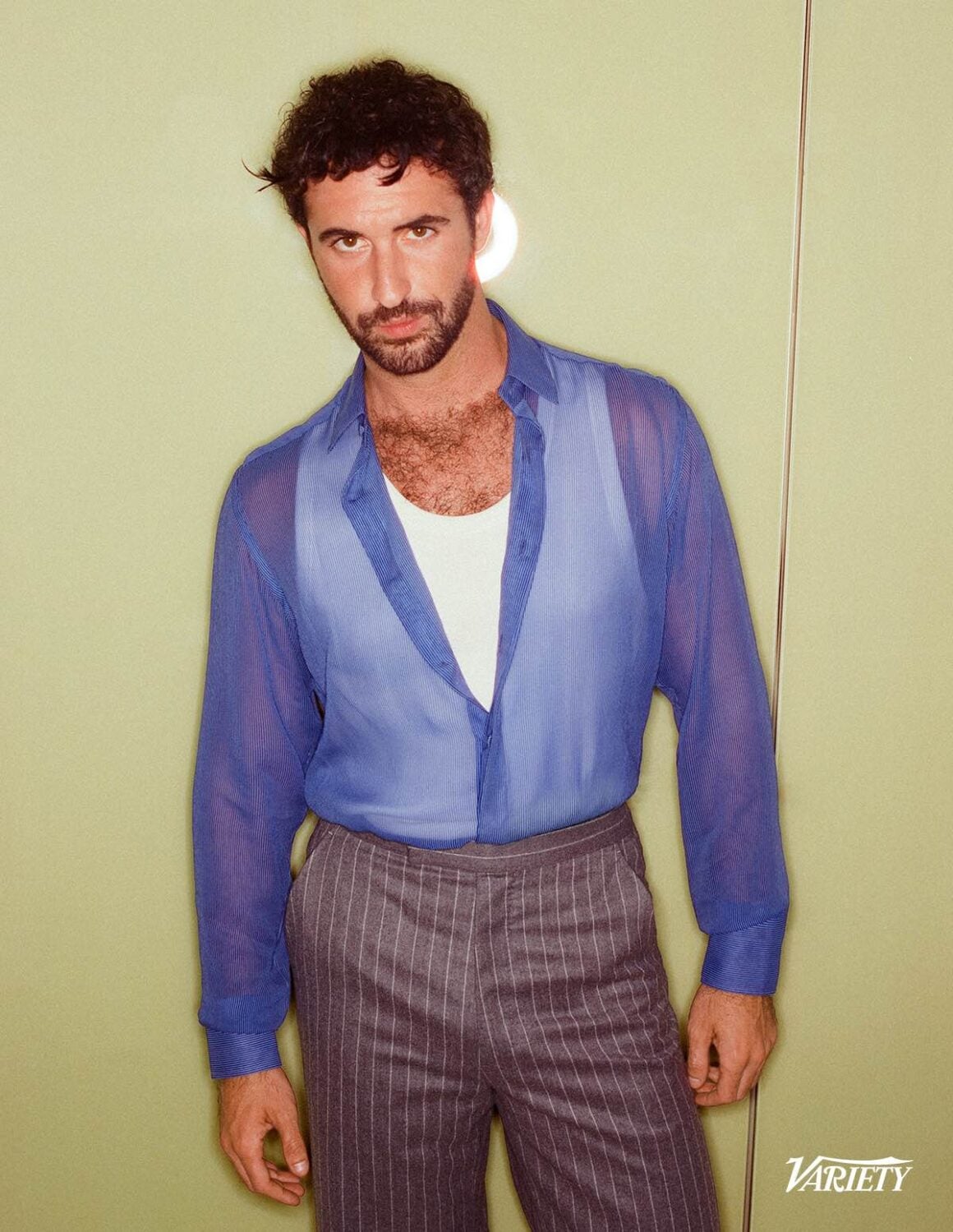
He admits he struggles to understand visual art without a guide. “I’m the person at the museum who has to ask why the painting is good.”
Fortunately, his razor-sharp dialogue carries the entire project. “Words are the way I get my point across.”
Now, Firstman confidently claims his place among a fresh wave of young, bold creators. “I feel like there hasn’t been a defined generation of new filmmakers since the Safdie brothers era began.”
This new guard is proudly shifting the culture. “Los Javis and Jane and Lukas and I are all around the same age.”
They are taking over the industry on their own terms. “Our collective is so queer, and people are responding, and the movies are doing well.”
Read the full interview at Variety.com.