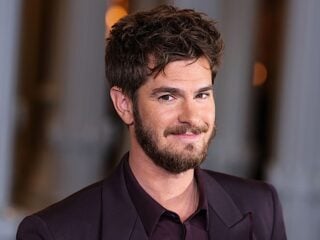
Stewart Taylor has always been more than one thing. The Los Angeles-based singer, songwriter, dancer and model has built his career across multiple creative disciplines, drawing on his background in theater, music and dance to create a distinctly multidimensional artistic identity.
Now, with his new single “Dark Summer,” Stewart is revealing a side of himself that fans haven’t seen before. The industrial-pop track transforms years of heartbreak and complicated relationships in Los Angeles into something darker, moodier, and decidedly more personal. Born from a conversation about relationships and a bartender’s dark nail polish, the song became an opportunity for Stewart to revisit some of the painful experiences that have shaped him and turn them into art.
That vulnerability represents a significant evolution from the carefree energy of his 2019 single “Mess Your Hair Up.” While Stewart still loves the fun, danceable music that introduced audiences to him, his forthcoming debut album explores heartbreak, hookup culture, mental health and other darker subjects. As he puts it, he’s still the artist who ends his shows with “Mess Your Hair Up,” but there’s now a lot more color in the picture.
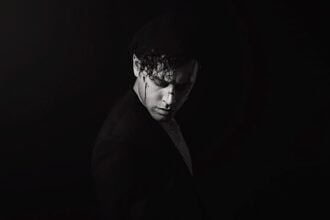
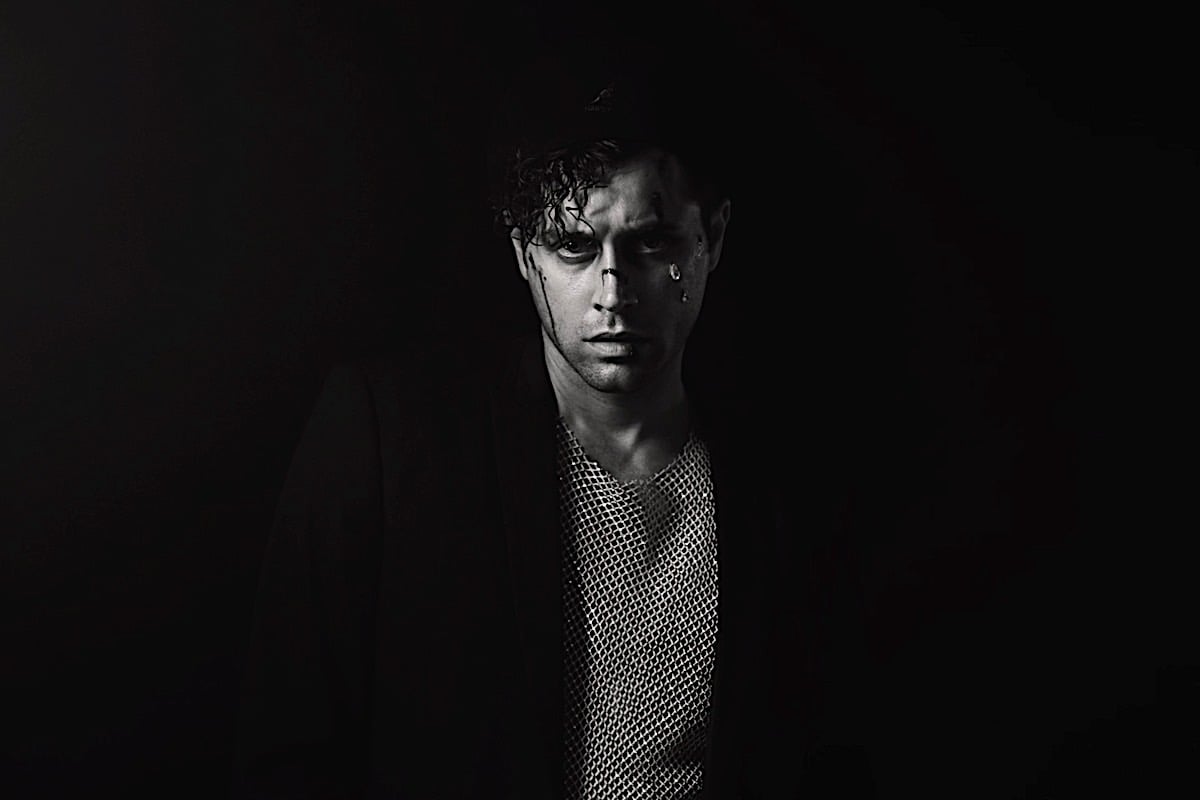
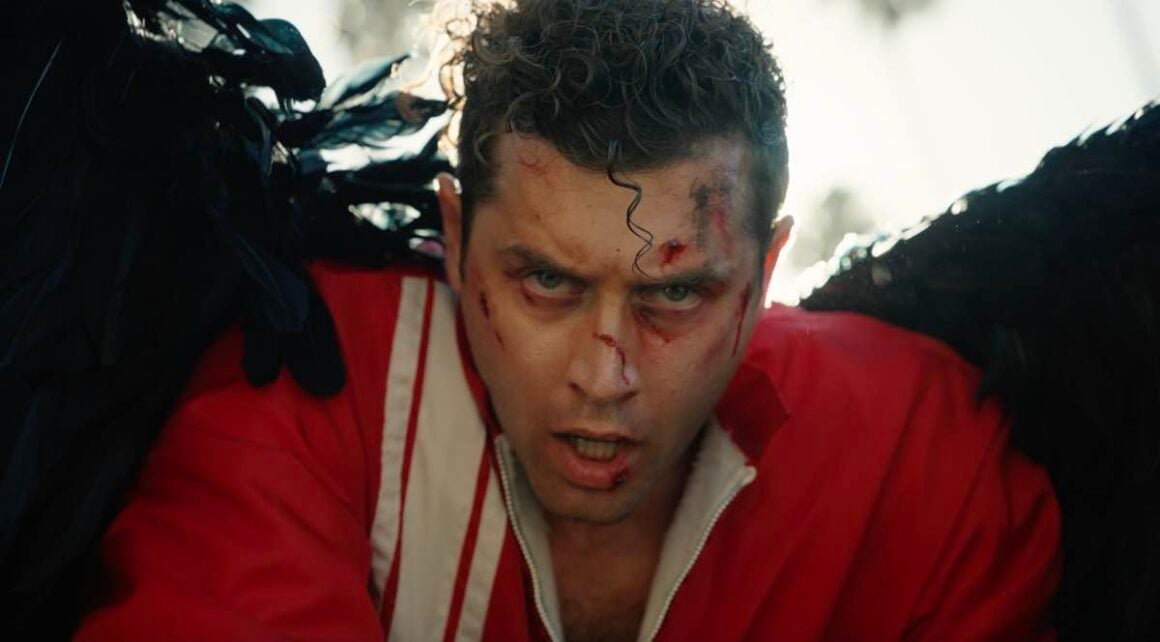
The song’s accompanying music video takes that darkness even further, transforming Stewart into a fallen, undead James Dean haunting Hollywood. Inspired by his lifelong fascination with Dean, classic horror movies and the idea of feeling “beat up and scarred by love,” the cinematic visuals allow him to explore a darker side of his creativity that he’s been waiting to unleash.
After more than a decade of work, Stewart’s debut album is finally complete and he considers it his “magnum opus.” In our exclusive interview, Stewart talks about turning heartbreak into songwriting, embracing his darker side, the making of “Dark Summer,” his obsession with James Dean and why this album is the project he ultimately wants to be remembered for.
You kind of do it all. You’re a Renaissance man. You sing. You’re a songwriter. You’re a dancer and a model. How do all of those different creative disciplines shape the artist that you are now?
Oh, man. I am in LA, and I feel like in LA you have to really juggle a lot of different things to survive. But also, I just love a lot of different things. I’ve been filming on camcorders since I was a little kid, so I always knew I wanted to be a director, but then I was always songwriting and singing too and doing theater and musicals and what have you.
Doing theater I had to act, I had to sing, I had to dance all at the same time, and it had to be loud, and I had lots of training going to Berklee College of Music in Boston. That really kicked my ass in all the best ways, and you just pick up a lot of different hobbies that become part of your career.
You moved to LA about a decade ago. How has the city and everything in LA shaped your music and your identity as an artist?
Isn’t that insane? A decade goes by like that sometimes. But it shaped me a lot because I tell everybody that my life changed – it was a total 180 life change – moving here from New York almost 10 years ago. Everything changed – not just the weather, not having to deal with snow anymore. It was, like, getting to work with so many different collaborators and getting to reconnect with people from college as well that I hadn’t seen in a couple years.
And just the level of talent out here that I get to work with has really changed my life. Getting to go into different sessions that I never thought I would be able to step into and working with great songwriters and great directors who have taught me so much. And I’m not afraid to work with people who are a lot better than I may be. I feel like that’s the only way you get better yourself, and if you just keep putting yourself in rooms where you have to keep elevating, and everyone there is an incredible writer, incredible singer, incredible performer or director you have to meet them where they’re at and where you’re at and hopefully rise up from there. So, even though it’s been a crazy 10 years, and it’s been COVID and the pandemic, and wildfires, and writer strikes, and a lot of stopping and going, we’re still here, and the album is done. So, there you go. That’s been a big one.
You’ve been putting out music since “Mess Your Hair Up” in 2019. When you look back at that version of yourself, like 2019 you, how do you think you’ve evolved as a performer?
Ooh, big time. I think with the album that I’m releasing next year I really dove into my darker side, and my darker experiences in LA and even before LA. I think for “Mess Your Hair Up” was very honest for me at the time. I had left my boyfriend in New York to pursue my career in LA, and he had sent me a photo, and he had gotten a really sexy haircut, and I was like, “Oh, I just wanna jump on you and mess your hair up.” And then ding, that’s when the song came to me.
All my songs come from an autobiographical place and a very organic place, and that’s just where I was at in my life at that point. Everything was so fresh and new in LA. The pandemic hadn’t happened yet, and I just wanted to make fun, danceable, upbeat music. And that’s not to say that I don’t still love that kind of music, but it’s not the same now. I’ve dated a lot of other people in LA and gone through my share of heartbreaks and all of that kind of stuff and it was time to dive into the heartbreak of it all – and some of that is darker subject matter, like “Dark Summer”. I’ve got so many other singles that I’m ready to bang out soon that are also darker subject matter, about hookup culture and mental health and so many things like that. I still am the guy that ends his shows with “Mess Your Hair Up”, but I now throw in a lot of other colors into the set.
That leads me into talking about “Dark Summer”. You said you’re an autobiographical writer and the song came from a conversation about men and a bartender’s nail polish. How do these seemingly random ideas come together in such a good song about heartbreak and, dating in Los Angeles?
Thank you. No, it’s so funny. Just like I was saying with “Mess Your Hair Up”, you see a picture or you hear a random sound, and it triggers something in you as a songwriter, and you’re like, “Oh, wait, that makes me think of this.” And sitting at a bar with a friend and talking about relationships and then seeing the bartender’s dark nail polish, and this was a couple summers ago, and when I complimented her on it, she said, “Oh I don’t usually wear such dark colors in the summer”, and I was like, “Wait a minute. I need to write a song called ‘Dark Summer’.” And then the next day I was writing it with my co-writer Stevie Beerkens about going it, back in time into all of the horrible relationships I’ve had in LA because, you know, it’s not the best place to date. That’s for d**n sure. But we try.
You called dating in Los Angeles “hell”, so was it cathartic to actually write this song and get those feelings out?
Yeah, of course. Songwriting is the most cathartic thing for me. I’ve written songs since I was four years old, so it’s a “need to have” to kind of thing. I don’t know how to not write about my life and sing about it, and it’s this part of my brain I just can’t turn off. It even comes to me in my dreams. I’ll have a song idea and it will just be looping in my head again and again until I wake up and record it on my phone. And it’s always good to look back at even the s***ty experiences in your life and be like, “Okay, at least I got a song out of that. At least I got to get that off my chest,” or maybe I ripped off that Band-Aid that I had on and experience those feelings again, but it’s for the good of the song.
The song started as a piano ballad before you and Stevie transformed it into that darker synth-heavy sound. What did you hear in the song that made you realize it needed to be transformed?
So, most of my songs start on piano, whether or not I’m playing the piano or if I’m with a co-writer and they’re like an insane piano player like Stevie is. He’s a real pro when it comes to piano, and we started the song with just our regular four or five chords. I really feel like the test of a good song is whether or not it can be stripped down to an acoustic version, to just guitar, just piano, and if it still has something powerful about it and it still tugs at your heartstrings or gives you the goosebumps. That is when you have a good song. And from there we generally go from the piano version and then start building it.
I think about what my inspirations are, and I’ve been listening to David Bowie a lot since I was a teenager, and his song “Ashes to Ashes” has this beautiful synthesizer in it and it gives me goosebumps every time I hear it – since I was a little kid – and I’ve always loved David Bowie and looked up to him. The Billie Eilish, the David Bowies of the world. It was really fun to expand as an artist, I’d say, based on the artists that influenced me, and it just came out that way. I love my synthesizers. I love eerie danceable beats and that’s what Stevie brought to the table with that, and I brought my vocals and my crazy experiences with dating.
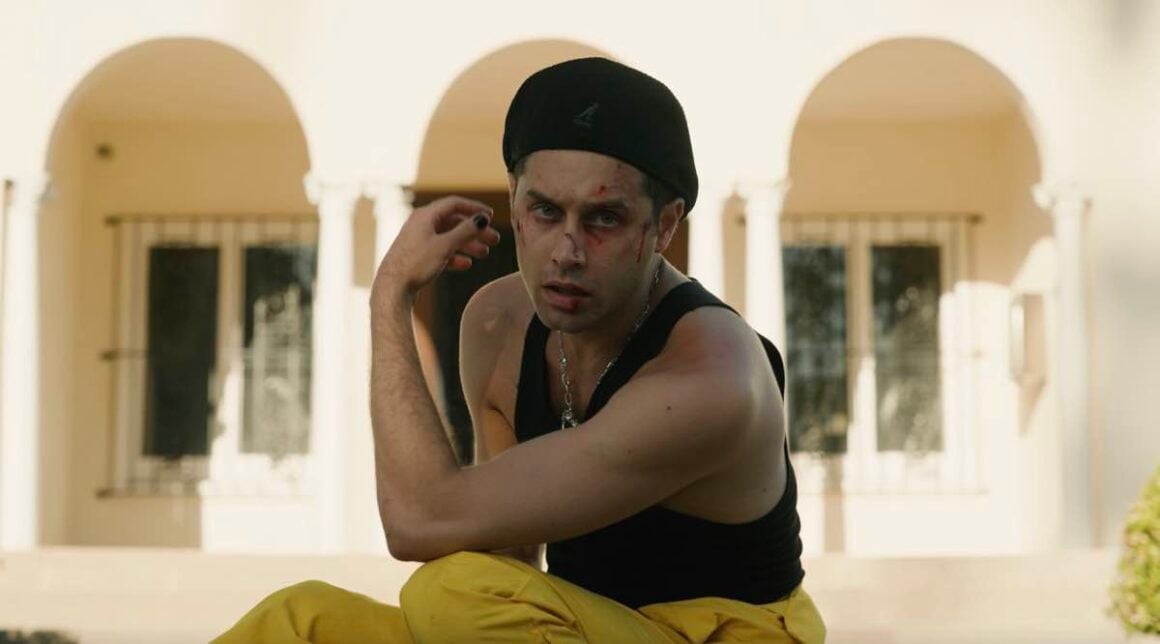
The video for the song was inspired by Lady Gaga’s Mayhem and things like that. How did you develop that visual story and which parts of that mythology you wanted to look at?
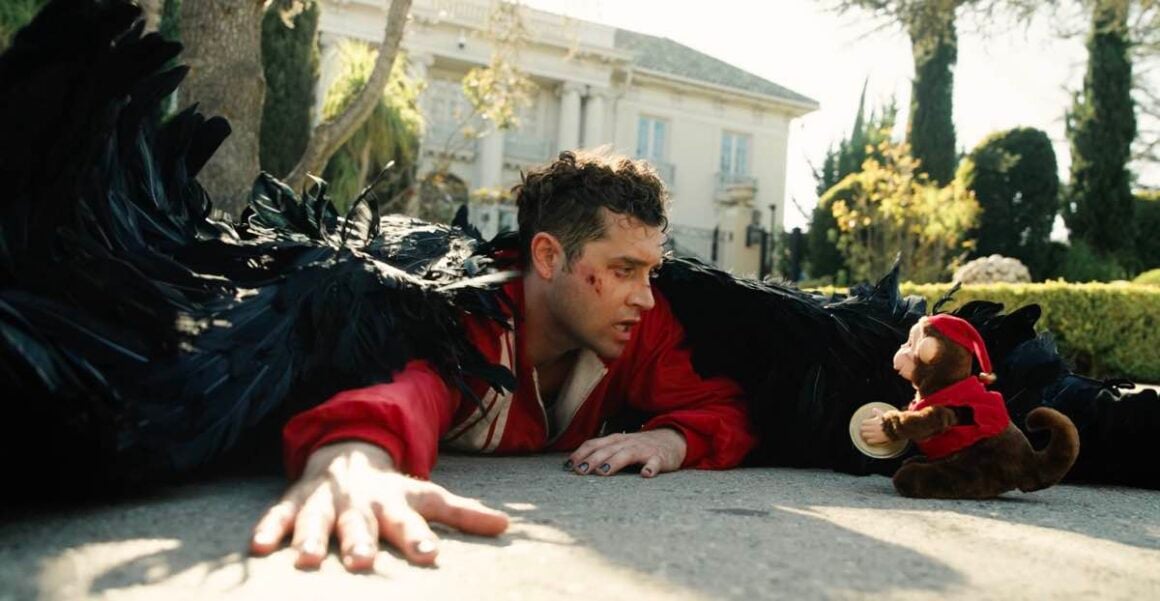
I knew that for some reason I get these, these random visions when it comes to music videos and the visual for my songs where I want this one thing to be like the focal point of a music video that makes it really striking. And I was like, “I want to be like a fallen idol. I want to have massive wings on, and if I can make them animatronic, I will.” And so, I found a place in London that specialized in all of that, and they shipped them out to me right before the music video was filmed. I had a little remote in my hand, so I was able to make them flap around. I built my story around the wings, honestly.
I was like, “Okay, I’m a fallen idol. Which idol would I want to be?” I’ve always loved James Dean and always related to him in a lot of different ways, from his interesting dark history, which, if you delve deep into in his biographies, he went through some pretty shady stuff in his short life. But the work that he left behind is so magnificent and incredible. I’ve always felt such a kinship with him. And then I thought, “What if James Dean came back from the dead to haunt Hollywood and haunt the Hotel Roosevelt where he used to hang out and where Marilyn used to live?” And my other metaphor, my big metaphor for feeling beat up and scarred by love. So that’s why initially I was like, I’m going to be bloody and beat up, and then I was like, oh, wait, no. It’s going to be like it’s me, but I’m playing James Dean after a car crash, something really dark. I grew up loving horror movies as well as musicals and rom-coms, and some part of me as a kid really liked the horror movie stuff, so I finally put it in a music video.
You said that evolving as an artist is extremely important to you. What do you think “Dark Summer” reveals about you that listeners might not have heard before?
I think it reveals that I’m not as happy all the time as people tend to think I am. I’m a pretty upbeat, giggly person when I have good company, like you, and I generally do have a really upbeat personality but the thing is that’s what the majority of the world sees. And as an artist, you really get to delve deeper into hey, this was something that was really depressing that happened in my life. This was a heartbreaking moment – and actually getting to peel away those masks that you sometimes have to put on for the world. It’s a time where you can strip everything away and just be completely honest, and writing that song was cathartic and it was also heavier subject matter. I wanted people to see that part of me because people in the past have heard other songs of mine that aren’t released and been like, “Whoa, I didn’t know you had this darker side of you.” And I was like, “I do.” So, it’s showing people a different side.
“Dark Summer” is part of your debut album and it’s your magnum opus, as you said. What makes the project feel like such a defining statement for you?
Because I’ve been working on it for over a decade now at this point. When I first came to LA almost a decade ago, one of the songs that I’d written in Boston when I was still in music college I had a dream about – that it had to be on the album. So, I reworked it. I reworked a couple of them, actually, that were just sitting in my notebooks, and the rest of the work is music that I’ve been able to make and write along the way, along this journey in LA for the past decade.
We tried pitching to other artists. Some of them were on hold. Some of them almost got me on an NBC show or two, but then they just want to write songs. It was time for me to finally just make a decision like hey, I know I’m out here songwriting professionally, and other people want to cut my songs, and that’s great. But the songs that still mean so much to me and are the most autobiographical, those are the ones we’re having on the album. And those are the ones that, regardless of whether or not it’s on a major label…I’m on an indie label and they’ve helped me a lot and they’ve been great. But regardless, it’s like this is my time to be like, I’m the record label. I’m in charge of my masters. I’m in charge of writing it, making sure that it’s produced, mixed and mastered, and then I own my masters because of that.
And it is my magnum opus because I’ve been working on it for so long, and it, there have been so many stop-and-go moments, especially with the pandemic, where we didn’t even know if we’d even be able to perform in front of a crowd again or get in the room with co-writers ever again. It was really scary. And coming through that with the rest of the world and still getting to bring all of these songs to light that is my magnum opus.
It’s like even if I only release one album and maybe become more of a songwriter for other people or I don’t know. I am a Renaissance man, though. I like that you said that because when I feel like making music, I’ll make music, and when I feel like acting, I’ll act. And life can take you in a bunch of different directions, but if there’s something I want to be remembered for, it’s going to be for this album.
Dark Summer is out now on Spotify and all streaming platforms. Follow Stewart on YouTube, TikTok, Facebook, Instagram and on his website.