Highlights
- Taylor Sheridan admits he intentionally rage-baits critics with his storytelling choices
- Yellowstone creator blasts studio execs as unqualified marketing types running Hollywood
- Sheridan told Paramount: “This is not a democracy” when negotiating his creative deal
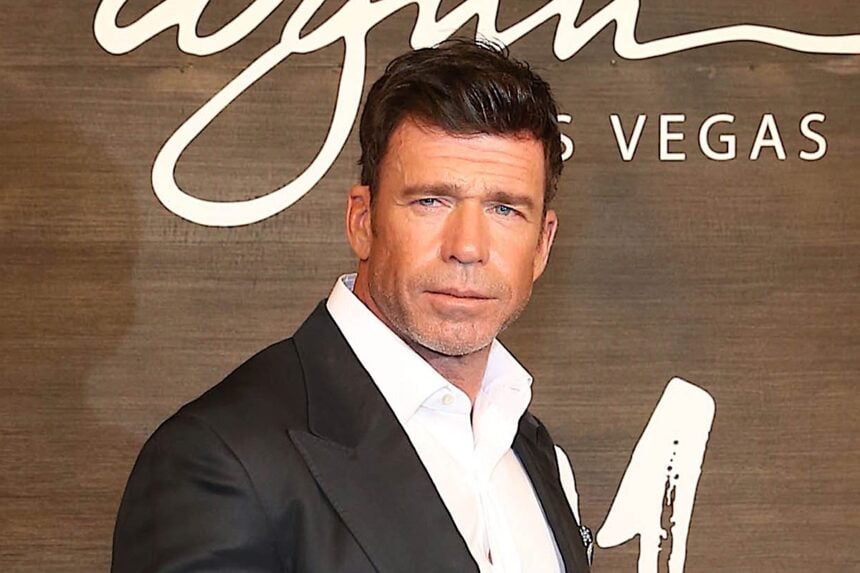
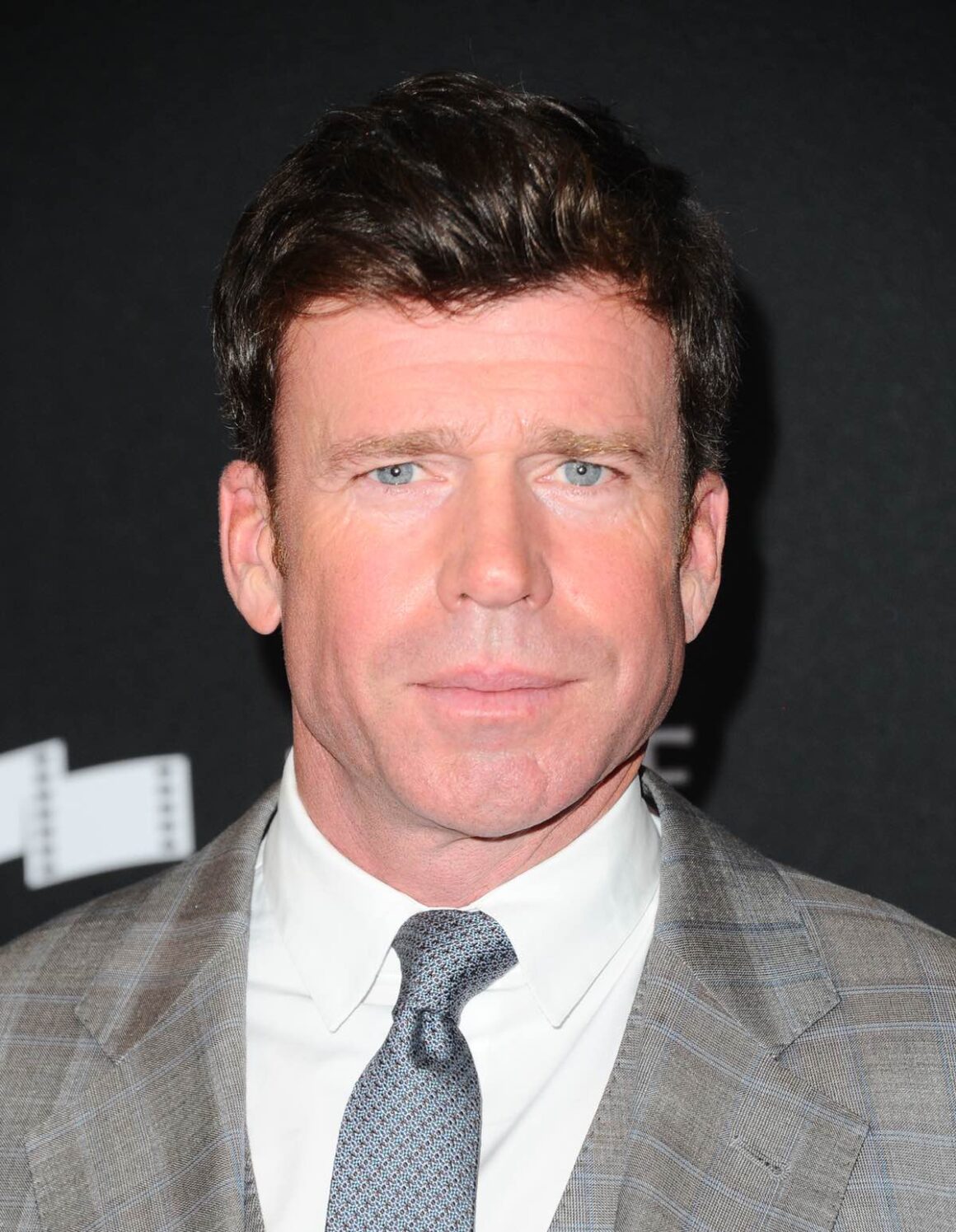
Taylor Sheridan built one of the most dominant television empires in recent memory, and he wants you to know he did it without taking a single note from anyone.
The Yellowstone creator unloaded on studio and network brass during an appearance on The Bill Simmons Podcast, where he stopped by ostensibly to promote his new book How Not to Die in Prison, co-written with Tom Nelson. But the conversation quickly became something else entirely.
Sheridan said that when he moved from being an actor to being a writer, he wanted to do things differently. “I knew when I started writing [I wanted] to simply not do what everyone else was doing. What everyone else was doing was taking shortcuts, essentially breaking all the very basic fundamental rules of storytelling, because they couldn’t figure out their story,” he said.
And the people he blames for enabling those shortcuts? The executives signing the checks.
Sheridan argued that the number of notes given by people who aren’t creative is stifling productions and extending timelines because of “endless rewrites.” “It didn’t used to be this way when Steve McQueen was a movie star at Paramount and Bobby Evans ran the studio because writers were turned loose. Directors were turned completely loose,” he said.
“By the way, the studio executives and the network executives — these are marketing executives, for the most part. Or maybe they studied law or whatever. Then they came, got a job in the mailroom at CAA or WME, and hated that shit. So then they ended up as an intern at some network. Then, through attrition, they find themselves the head of development.”
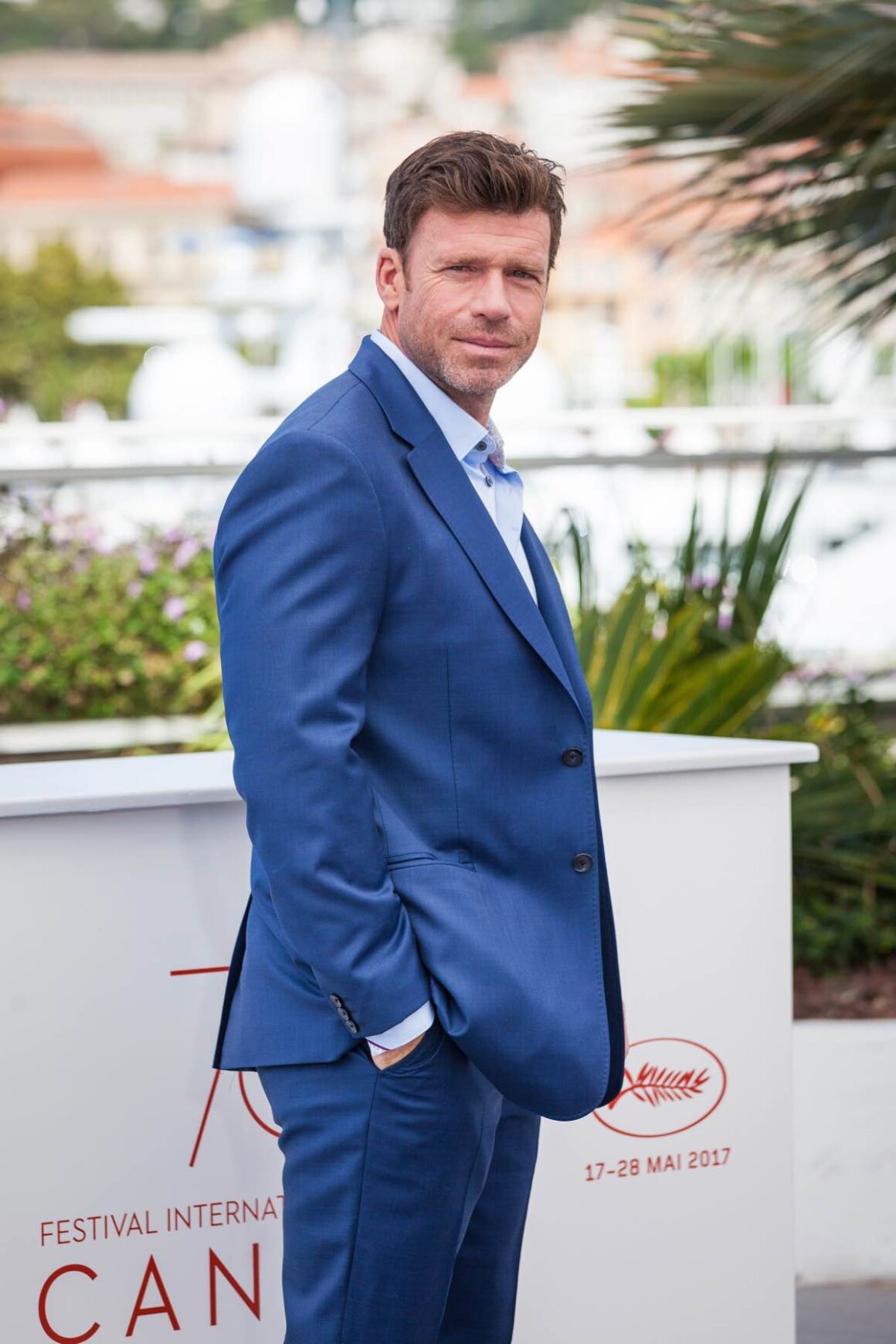
His verdict on what those executives actually know about story? Nothing.
Sheridan explained that executives “get terrified and panicked that the audience won’t get it, because they actually have no storytellers.”
“Our business, at this point, is truly governed by these executives because they’re the ones that are going to determine whether or not your script is going to go into production. They’re going to try and control every element of that.”
Sheridan made clear early in his Paramount partnership that such control would not apply to him.

“This is not a democracy. There’s no committee. You’re going to pay me and you’re going to give me a bunch of money and I’m going to deliver you these shows. I’m pretty common and I’m going to tell stories that common people are going to understand. That’s most of America,” he said. “You’re not going to win no Emmys with me, but I’m not trying to win Emmys. That’s not my goal. My goal is to sit somebody on their couch and move them, make them think, make them laugh, scare the shit out of them, excite them.”
Television critics also walked into his crosshairs. Sheridan intentionally sidelined Demi Moore in Season 1 of Landman, making her a centerpiece only in Season 2 — a deliberate provocation aimed squarely at critics. He also withheld screeners for key episodes that would have explained Moore’s role expansion in order to further stoke the outrage.
“The critics are going to come after me. I’m underutilizing [Moore], can’t write for women, all this nonsense. Then I’m going to kill your husband and you’re going to have to run the oil company,” he said. “The critics and me… I don’t care what they think and it annoys the shit out of them that I don’t care. I’ll be the first to tell you that there are things that I do that rage bait them a bit, and this is one of them. Fuck ’em, honestly.”
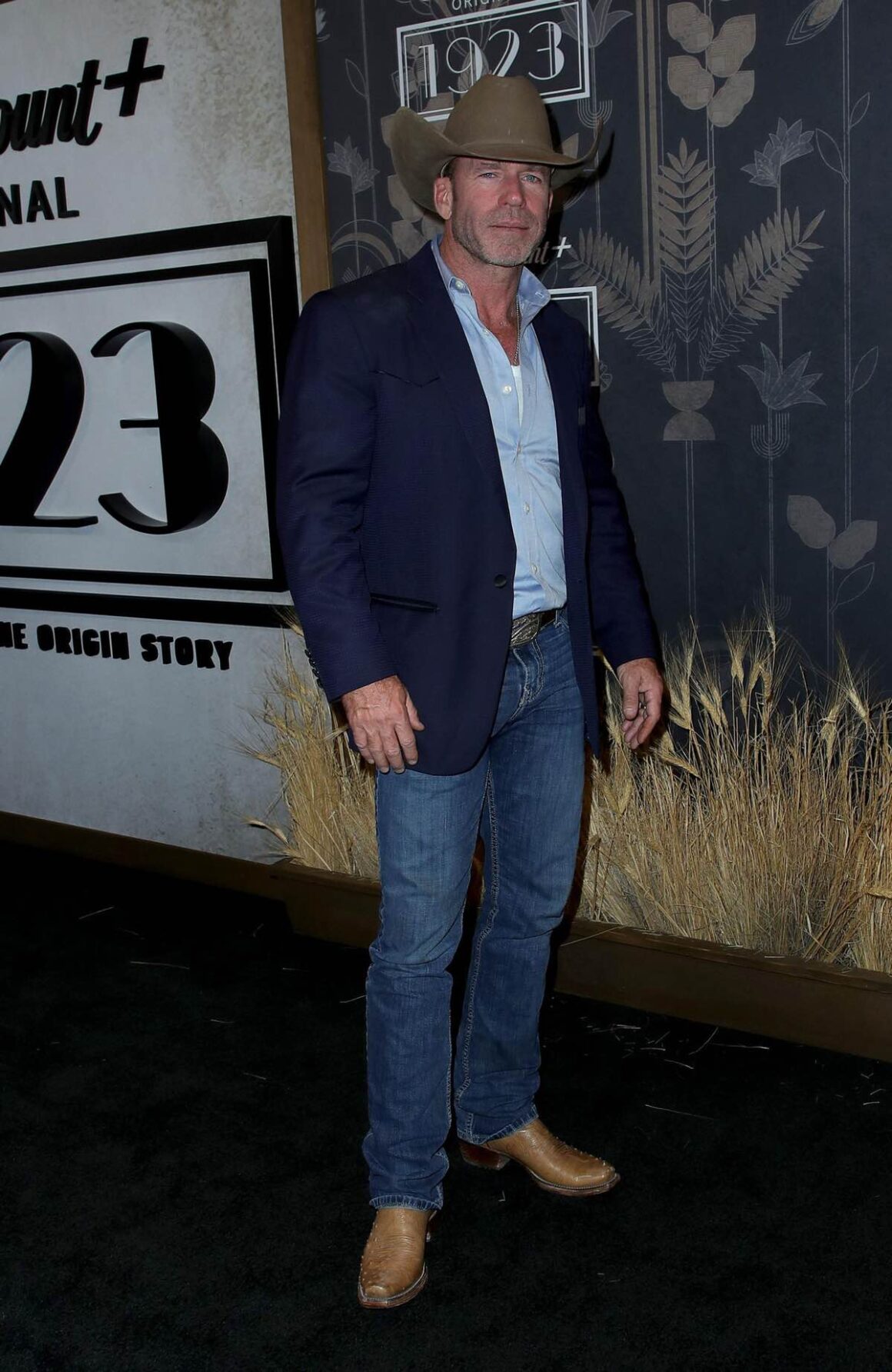
The rage bait extended to other storylines as well. Sheridan revealed that the arc involving Ainsley’s nonbinary college roommate, Paigyn, was intentionally split across two episodes to infuriate critics. “I want to piss you off a little, and then, how dare I? and then you watch the next week and go, ‘Oh you got me,'” he said, explaining that even some of the actors and network called to ask if he wanted to condense the storyline. He did not.
Sheridan’s shows became massive streaming hits, with “Yellowstone” spawning multiple spinoffs and Landman becoming a breakout success despite the criticism it received, particularly over how Sheridan treats female characters.
The prolific creator has also recently set his sights on a new chapter. Sheridan recently signed a major deal with NBCUniversal, signaling that his fight with Hollywood’s power structure is far from over — it’s simply moving to a new arena.