Highlights
- The stars of Netflix’s new drama discuss navigating an impossible on-screen romance without intimacy coordinators.
- Directors Javier Calvo and Javier Ambrossi reveal how the intense production ended their real-life relationship.
- Guitarricadelafuente addresses industry homophobia, while Miguel Bernardeau reflects on the pressures of fame.
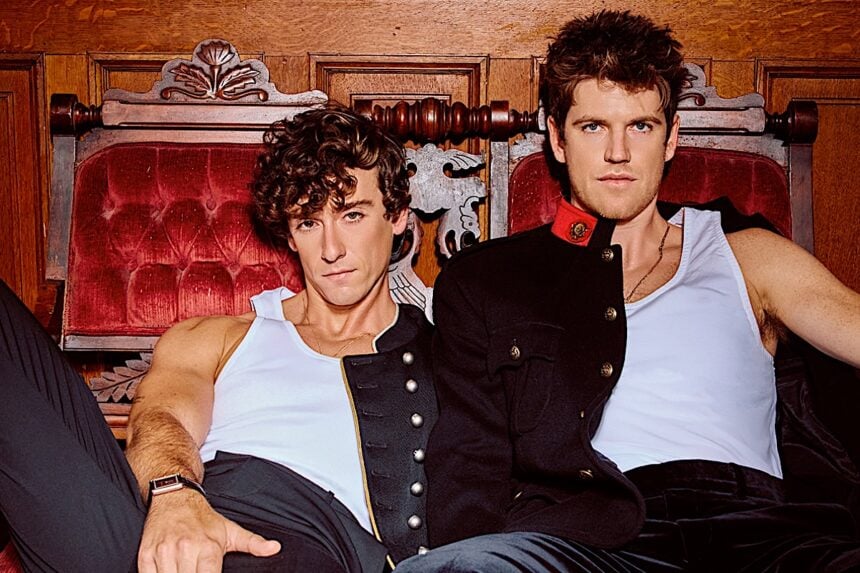
Netflix’s Oscar-chasing La Bola Negra delivers a brutal, unapologetic romance between two gay men during the Spanish Civil War. Stars Guitarricadelafuente and Miguel Bernardeau just laid bare the grueling emotional toll of the film in a new interview with Variety. The pair held nothing back regarding industry homophobia, off-script intimacy, and surviving the intense shoot.
To capture their most vulnerable scenes, the actors completely bypassed an intimacy coordinator. “We just worked it out with the Javis,” Bernardeau said, referencing the film’s co-directors. Guitarricadelafuente recalled the stark, raw direction: “Sí, I remember Ambrossi saying, Just kiss. Just a little bit more…We wrote the script of what’s going to happen the next day between us — meeting ourselves, thanks to the direction of the Javis.”
Bernardeau felt no hesitation tackling a gay role despite being straight. “I never thought about it like that, or cared what people would think about my sexuality,” he stated. Co-director Javier Ambrossi fully defended casting him.
“I totally get why straight actors want to play gay roles,” Ambrossi explained. “It’s their craft to portray people that are different from them. I’m not against that.” He stressed that the project’s core political statement rests heavily with the LGBTQ+ talent operating the cameras.
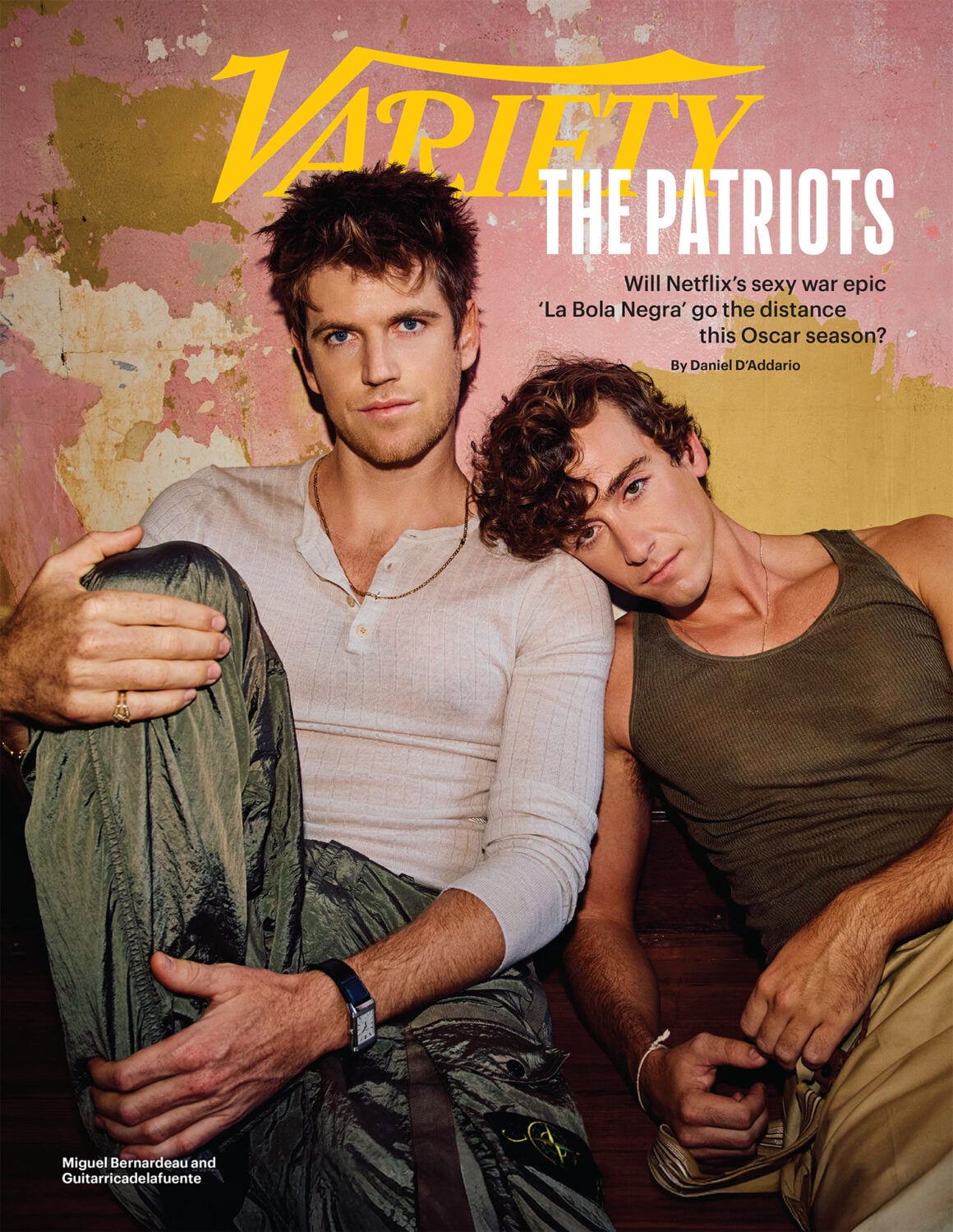
Guitarricadelafuente brought his own painful industry history to the set, recalling the immediate blackout he faced after playing a gay character early in his career. “…then nobody hired me anymore,” he stated. “People tend to hire straight stars because they don’t want to risk money, which I think is homophobic.”
Bernardeau also addressed the explosive fame of his previous project, Elite, and how it forced a personal reckoning. “I learned a lot doing Elite about what I wanted and what I didn’t want,” he confessed. “What happened later was something that we didn’t expect, and changed our lives and made us reconsider everything.”
He was so desperate for this new role that he thought he completely blew his audition. “I woke up every morning and I was like, ‘Please give me another chance,'” Bernardeau admitted. “Then the casting directors called me again.”
The co-directors view the film as a direct tool for fostering cultural empathy. “There’s no better way to get people to understand things than art and movies,” Javier Calvo shared. “They’re a really good vehicle for creating empathy — because when you cry with someone, you’re always bonded to that story.”
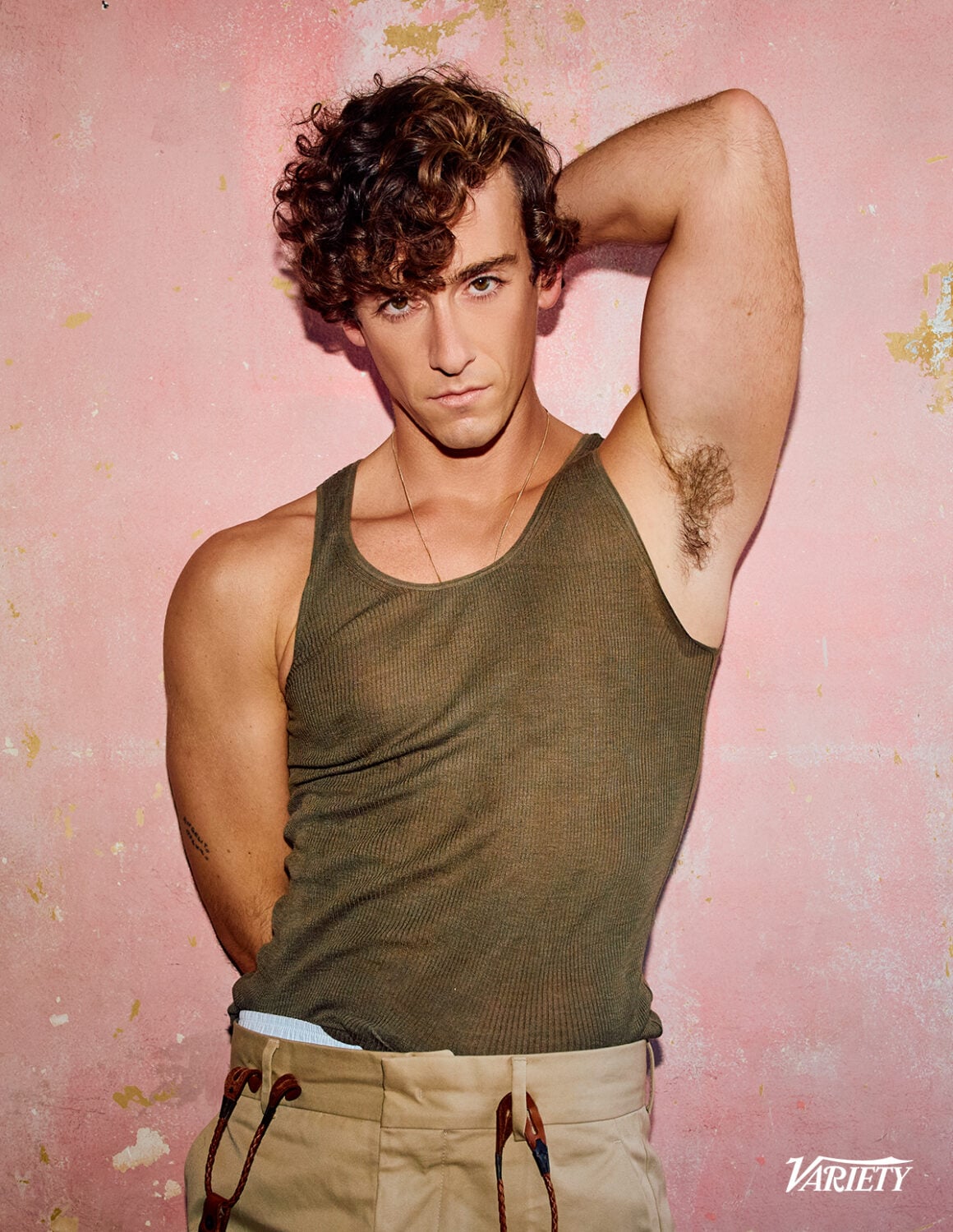
The massive production proved so intense that it actually ended Calvo and Ambrossi’s real-life romantic relationship. “When we get into a project, it’s a road to the unknown,” Calvo said. “You can’t make a project that is not going to change your life forever, and I was grateful for this project to make us evolve and make us explore new ways of living.”
On set, Guitarricadelafuente found a crucial mentor in Penélope Cruz. “She was so generous and gentle and trying to encourage you,” he remembered. “She’s going to be a mother for a lot of queer people that are going to see this.”
To prepare for the brutal setting, the actors underwent intense tactical training. “We received military preparation — how to hold a rifle,” Guitarricadelafuente shared. “There’s a naiveness to him, but he’s not stupid.”

He felt profoundly tethered to his character’s specific, devastating reality. “If I was born in that village, in those circumstances, that would exactly be me,” he noted. Bernardeau acknowledged the heavy emotional lift of their on-screen dynamic: “We had to work against it and try to manage the volume of that love because it’s an impossible love.”
For Guitarricadelafuente, pivoting from music to acting sparked wild pop-culture comparisons. “Gaga is the exact example that everybody talks to me about!” he laughed. “You’re Lady Gaga! You’re Lady Gaga!”
Calvo actively utilized the singer’s musical background to extract a tighter performance. “All the decisions you take when you’re singing to make things one line louder, one line softer — everything is an acting decision,” Calvo told him.

Netflix is honoring the film’s massive scope with an unprecedented 47-day theatrical window. “We shot it in 35mm. So that was good news, that people can experience the movie as we thought they would,” Ambrossi noted. “But Netflix, you can rewatch — you can see all of Penélope Cruz’s numbers again and again.”
Ultimately, the cast believes the film’s core message will shatter generational divides. “Older generations that would have been scandalized by this 20 years ago are gonna understand it right now,” Guitarricadelafuente stated. “And this transcends: It’s a story about love that everybody can feel linked to.”