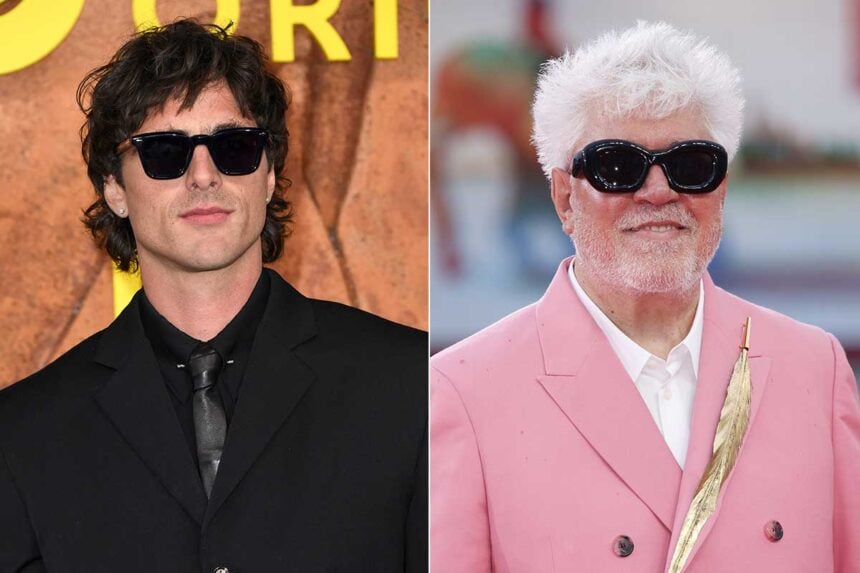
- Almodóvar said on a Spanish podcast that he’s unsure whether Elordi is “just a sex symbol or a respected actor.”
- He called Wuthering Heights “very bad” but said neither Elordi nor Margot Robbie was to blame.
- Despite the critique, Almodóvar acknowledged Elordi’s stardom is “without doubt” real and still growing.
Leave it to Pedro Almodóvar — auteur, provocateur, and cinema’s most stylish Spanish uncle — to say in a podcast interview what Hollywood publicists would never allow their clients to utter aloud. The director, whose latest film Bitter Christmas is heading to Cannes this spring, appeared on the Spanish-language podcast La Pija y la Quinqui and was asked a fairly simple question: would he consider casting Jacob Elordi in one of his films?
His answer was anything but simple.
“I’ve been wondering whether he’s just a sex symbol or a respected actor.”
That was Almodóvar, translated from Spanish, doing what great directors do best: seeing through the hype and asking the more uncomfortable questions. To be clear, he wasn’t being dismissive. He acknowledged outright that Elordi’s stardom is real — very real. “I can now see that Jacob Elordi‘s stardom is indeed real,” he said. But acknowledging star power and endorsing acting range are two entirely different things. Almodóvar knows this better than anyone.
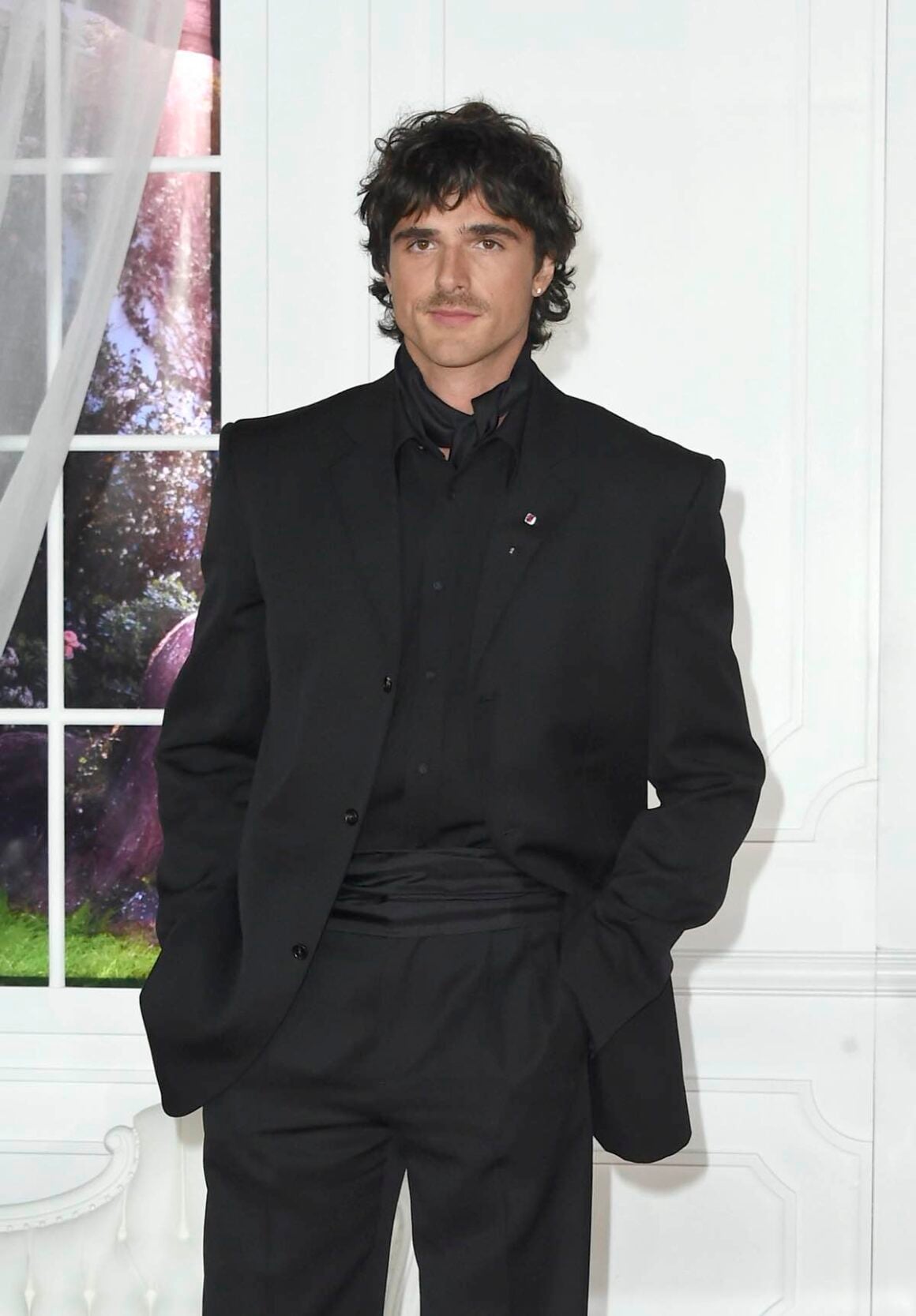
For those keeping score at home: Elordi, 28, has had one of the more meteoric rises in recent Hollywood memory. From The Kissing Booth to Euphoria, then Saltburn, Priscilla, Frankenstein, and Emerald Fennell‘s divisive Wuthering Heights opposite Margot Robbie — the man has been everywhere. Frankenstein alone earned him an Academy Award nomination for Best Supporting Actor, a Golden Globe nod, and a Critics Choice Award nomination. He’s also lined up next for Ridley Scott‘s post-apocalyptic thriller The Dog Stars, stepping in after Paul Mescal exited the project.
That’s an impressive résumé. And yet Almodóvar, with all the polite bluntness of a man who has worked with Carmen Maura and Penélope Cruz, says he still needs more proof when it comes to the range question.
“We need to see him — or at least I do — in another role that demands more of him.”
His evidence? He pointed specifically to Wuthering Heights and Frankenstein — two of Elordi’s biggest recent projects — arguing that neither film truly puts the acting through its paces. He called Wuthering Heights “very bad,” while taking pains to note it wasn’t Elordi’s fault, or Robbie’s. The film, which grossed $240 million worldwide, was received with mixed reviews. Critics called it visually bold but emotionally thin — which, if you’ve seen Fennell’s work, tracks.
As for Frankenstein, Almodóvar had a pointed observation about what modern adaptations of the monster story actually demand from an actor — which is to say, not that much. He noted that contemporary interpretations have leaned into a kind of “sexualized imagery,” making the creature attractive rather than emotionally complex. The monster now speaks in a deep, low voice and broods magnificently. It’s all very effective. It’s just not, in Almodóvar’s view, a particularly demanding showcase.
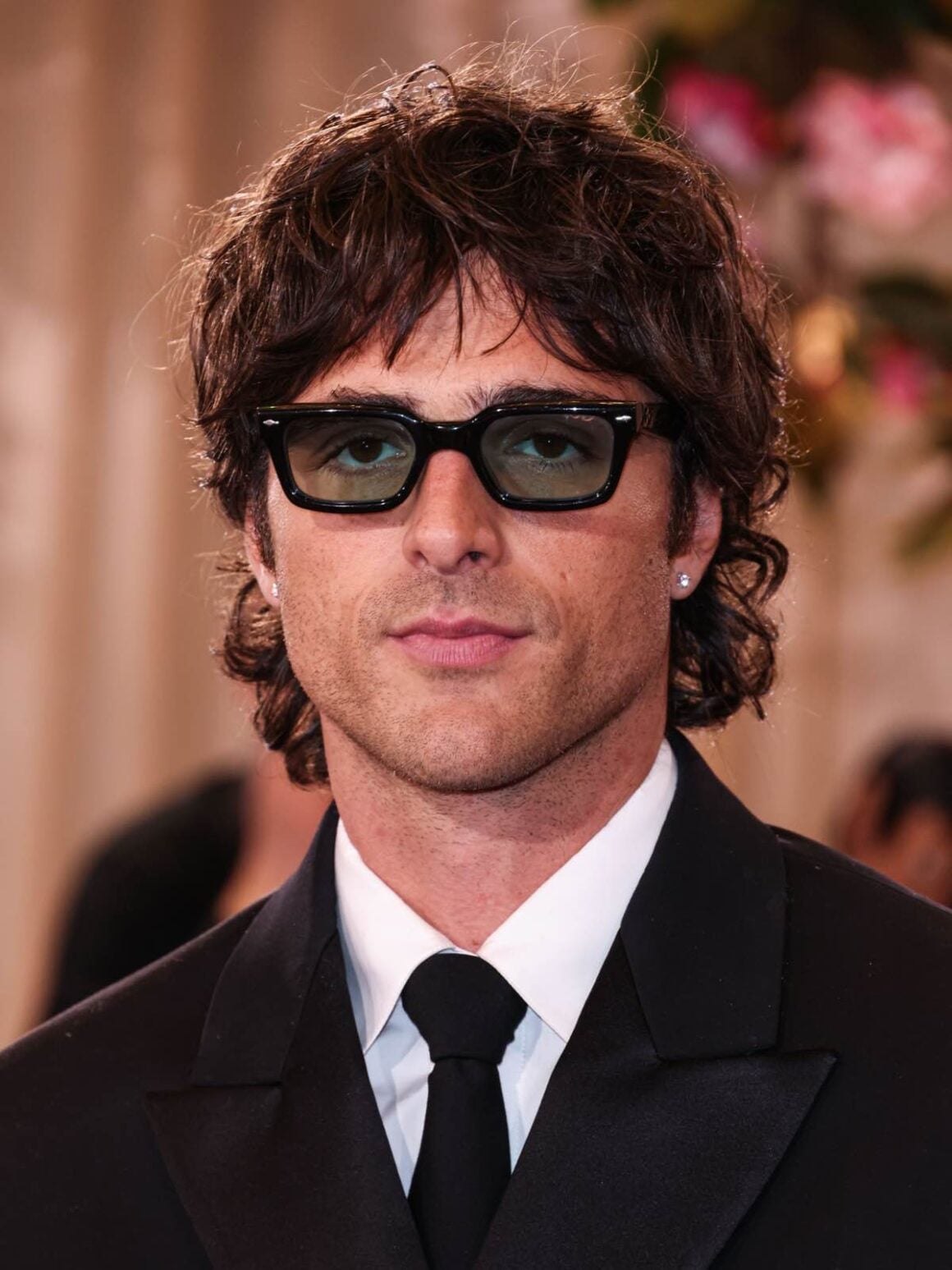
“He has to speak in that deep, low voice, and that’s much easier than using a more expressive range. So, in that sense, Frankenstein is very convenient for an actor.”
It’s a fair point, even if it stings a little. Much of Elordi’s visibility has come from projects where physical presence and smoldering charisma do a lot of the heavy lifting. That’s not a slight — that’s literally how movies work, and it’s made him one of the most-watched actors of his generation. But Almodóvar is gesturing at something specific: the difference between being compelling on screen and being genuinely stretched as a performer.
There is, to Almodóvar’s point, evidence that Elordi has more in the tank. His work in On Swift Horses earned him serious notices — critic Robert Daniels called it “an electrifying performance,” while Jourdain Searles of The Hollywood Reporter wrote that Elordi showed “his more sensitive, vulnerable side on the big screen for perhaps the first time.” That’s not nothing. But those performances are almost footnotes compared to the cultural footprint of Saltburn or Frankenstein.
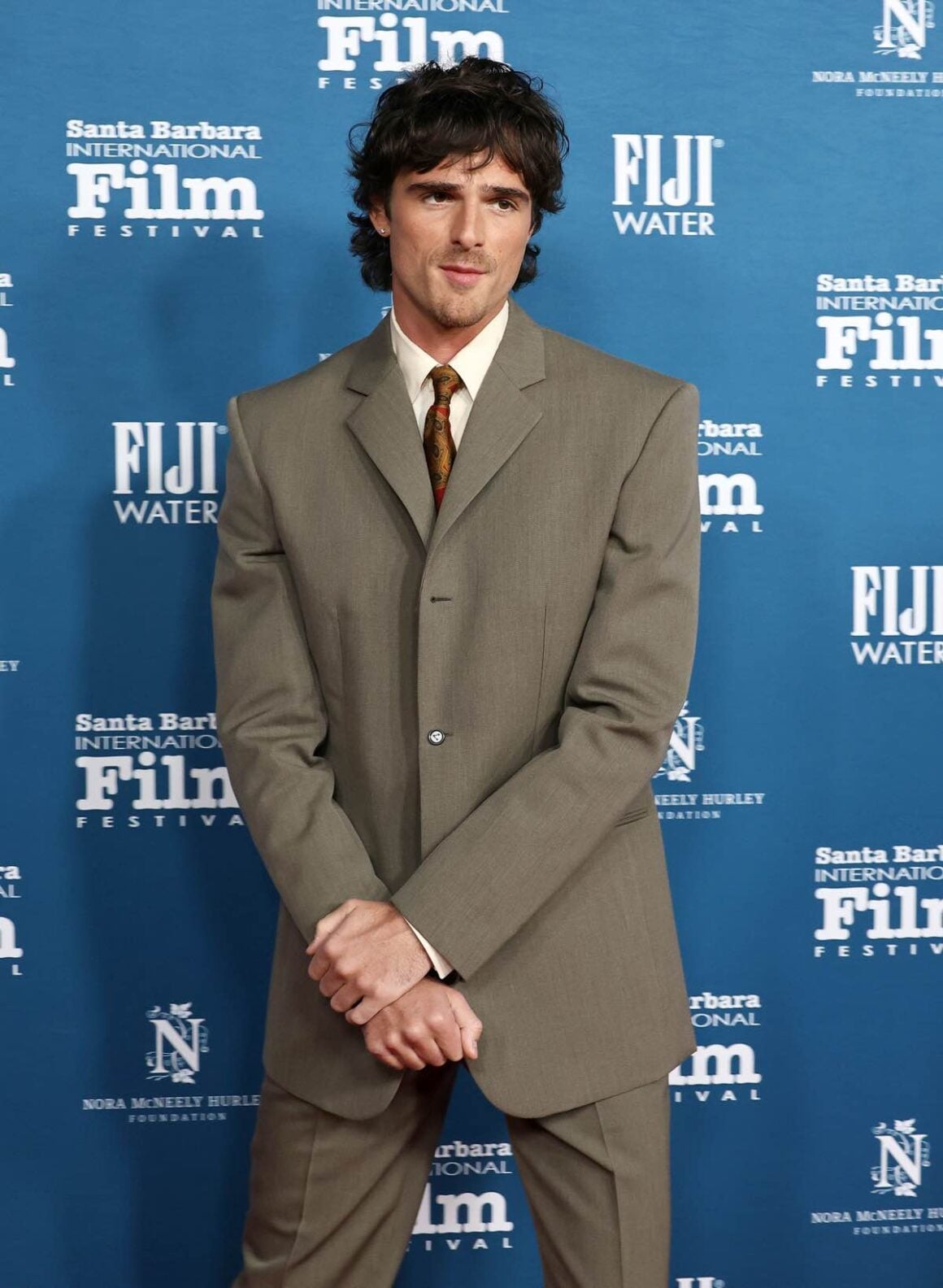
Meanwhile, Elordi himself has said he would love to make a film in Spanish, and previously professed his love for Almodóvar publicly. This podcast appearance, then, reads a little like a mentor leaving the door ajar — not quite open, but not shut either. The Spanish director isn’t writing Elordi off. He’s issuing a challenge dressed as a shrug.
The acting question, the range question — these aren’t new for Elordi. They’ve followed him since Euphoria made him a household name. What is new is having one of cinema’s most celebrated directors ask them out loud, on record, in a podcast interview that was absolutely not going to stay in Spanish.
Almodóvar’s verdict, for now: undecided. His invitation, should Elordi find the right role, remains theoretically open. The question is whether Elordi’s next few projects — The Dog Stars, the new season of Euphoria — will finally give him the material to answer it.