

Highlights
- Investors voluntarily dismissed their Wondermind fraud lawsuit against Selena Gomez with prejudice in Delaware.
- The suit claimed backers were misled into investing nearly $1.2 million in the struggling mental health startup.
- Gomez’s lawyer once called the case “absurd” and now says she is pleased and looks forward to moving forward.
Selena Gomez‘s investor nightmare just ended with a whimper, not a verdict.
The investors who sued her, her mother Mandy Teefey, and Wondermind co-founder Daniella Pierson voluntarily dismissed the lawsuit in its entirety “with prejudice,” according to a Delaware federal court filing on Monday. With prejudice means it can never be filed again.
Her litigator, Mathew S. Rosengart, kept the victory lap tidy. “Selena is pleased by the dismissal of the case in its entirety and looks forward to moving forward.”
The filing doesn’t say why the plaintiffs bailed or whether anyone settled. Read into that what you will.
Rewind to August. Two companies, Wondermind SRS 44 LLC and Bespoke Wondermind SPV I LLC, sued Gomez, Teefey, and Pierson. They claimed they’d been misled into putting nearly $1.2 million into the company.

The charges included common-law fraud, breach of contract, and securities fraud. Plaintiffs’ lawyer Jeffrey Neiman gave TMZ the line of the summer: “Selena wasn’t simply associated with the pitch. She was the pitch.”
The complaint said investors were promised “a full slate of revenue-generating initiatives, including advertising deals.” Instead, “The partnerships did not exist.” Also: “The app was never built.”
Then it got nastier. The suit claimed Wondermind “quietly collapsed” without “a word to the investors whose money was funding the collapse.” And the kicker: “Gomez purported to sign a contract obligating her to perform and then ignored it.”
Team Selena came out swinging. Rosengart called the suit “completely meritless if not frivolous” and said the plaintiffs “never should have dragged Selena Gomez into this case.”
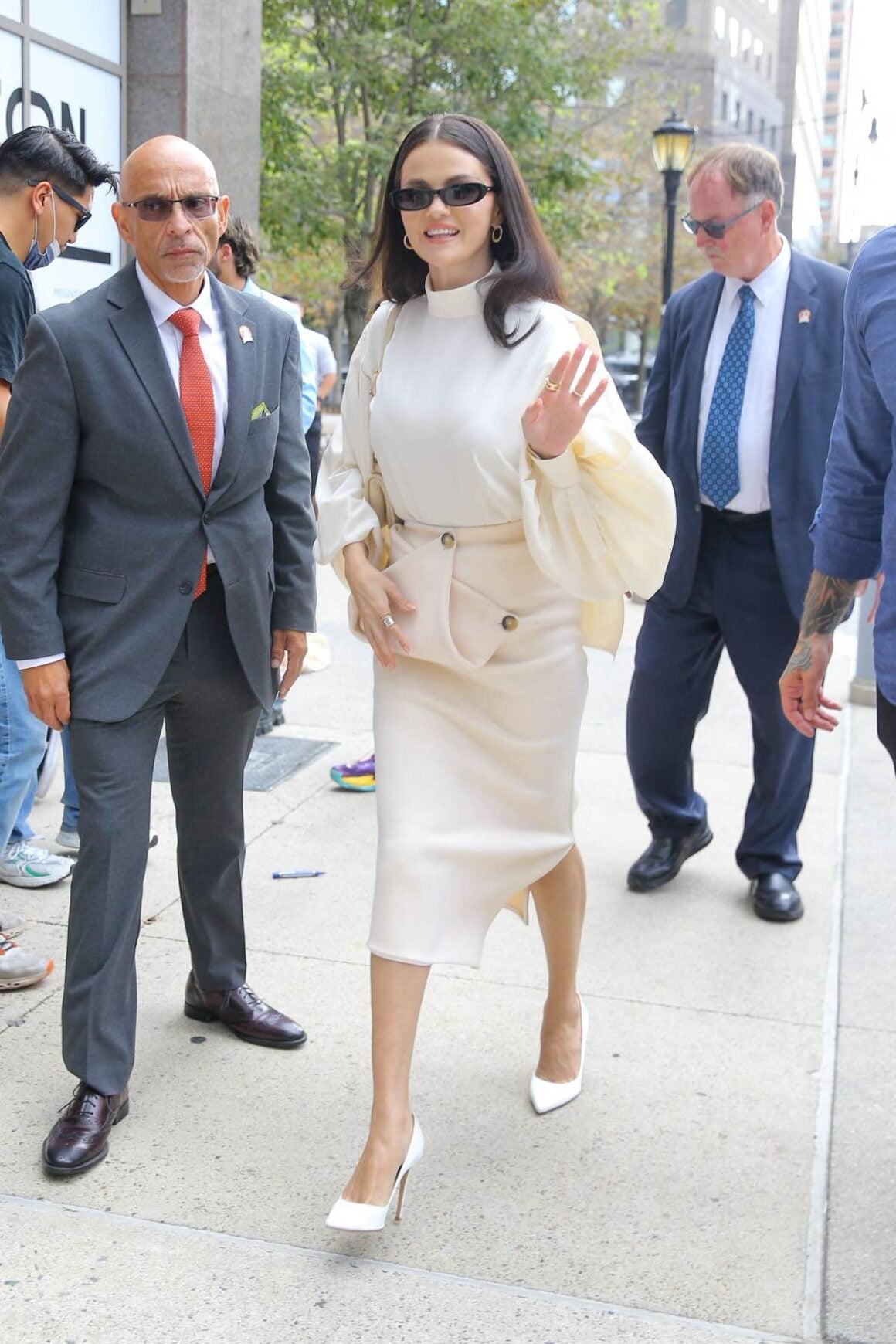
“The notion that Selena engaged in ‘fraud’ or any other wrongdoing is absurd,” he added.
The motion to dismiss torched the complaint’s “vague, generalized, and contradictory allegations concerning Selena Gomez.” It cast her as a supporting player who “agreed to support her mother Mandy Teefey, who co-founded Wondermind.”
Per the filing, “Management was vested in Ms. Gomez’s mother, Mandy Teefey, and Ms. Pierson, who ran the Company as co-CEOs and board members.” Gomez, meanwhile, was retained “as a consultant” and given “the title of Chief Impact Officer.”
Translation: the celebrity was the face, not the boss. Her lawyers even said the allegations could warrant sanctions against the plaintiffs.

Pierson said she “welcomes the opportunity to present concrete documentation and financial records that establish the facts.” Teefey didn’t comment publicly.
The courtroom drama landed on top of a business that was already in trouble. In May 2025, Forbes reported that Wondermind had run out of cash and missed payroll the month before, then laid off nearly two-thirds of its staff.
The suit also cited a September 2025 article in The Cut alleging mismanagement and substance abuse by Teefey, which she disputes.
Wondermind appears to still be operating, though its social media has been fairly quiet. Its website once promised, “doable ways to put your mental fitness first every day.”
For Gomez, the takeaway is simpler. Being the pitch is great, right up until it makes you the defendant.