Highlights
- A New Mexico judge officially dismissed the criminal indictment against actor Timothy Busfield Friday.
- The court cited prosecutorial misconduct after his defense team argued the grand jury case was biased.
- Busfield previously called the serious allegations revenge-motivated lies and passed a polygraph test.
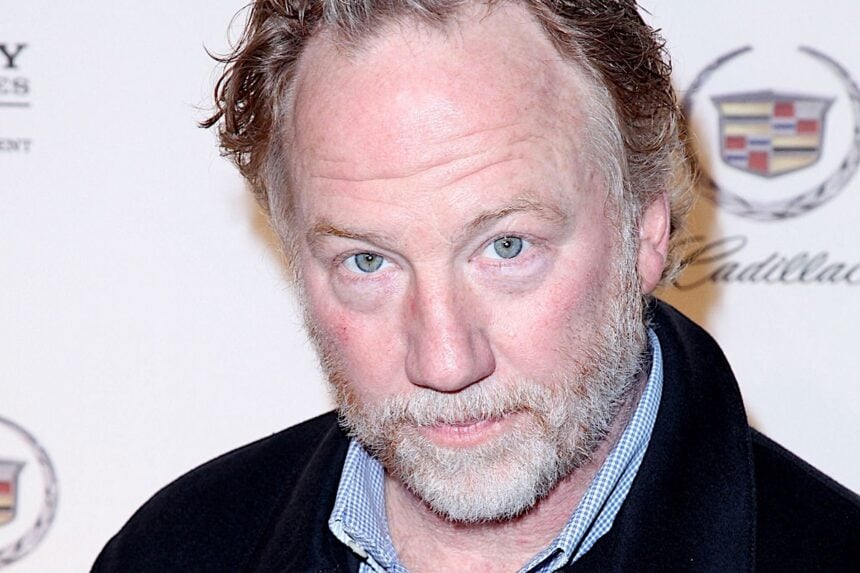
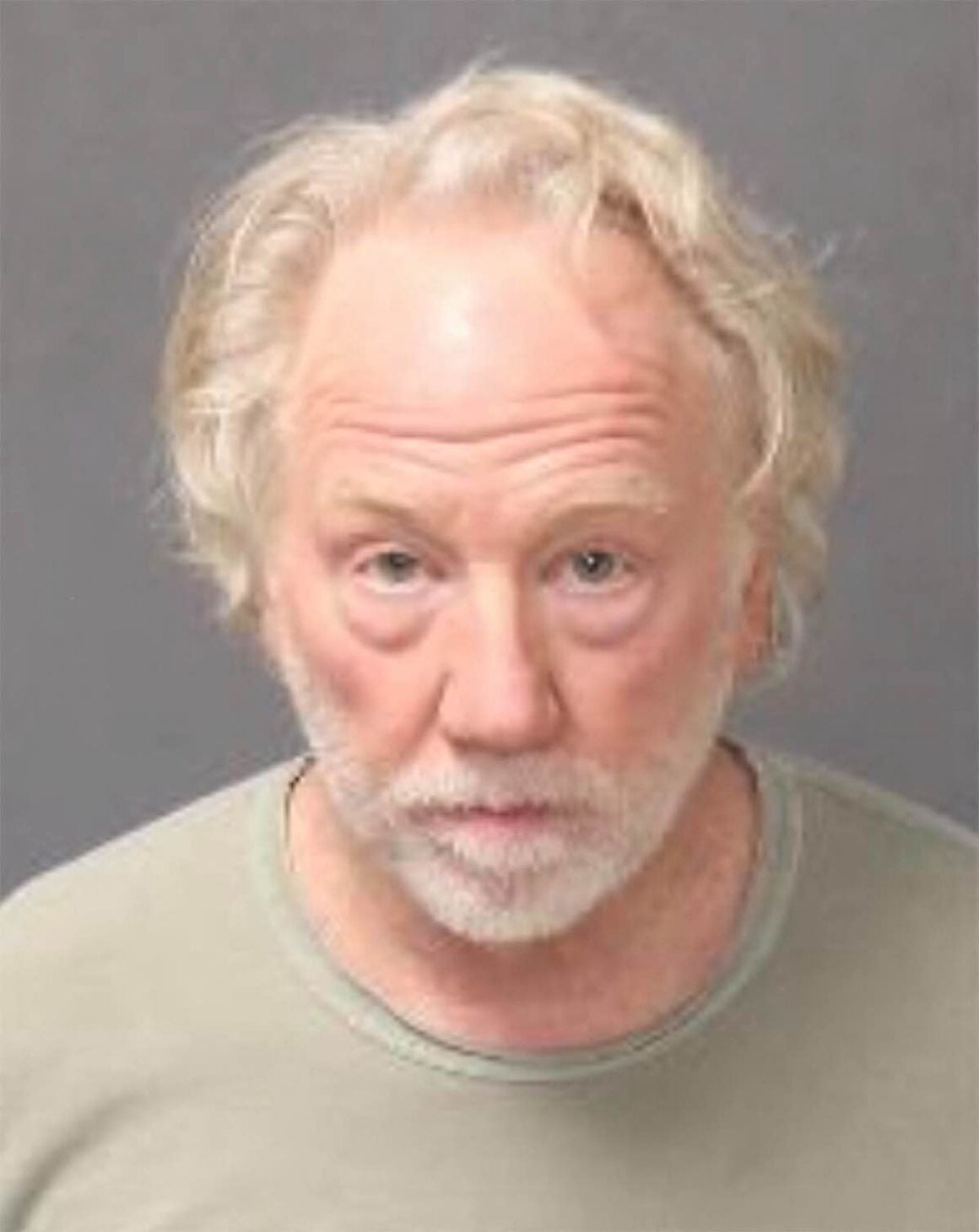
A New Mexico judge tossed the criminal indictment against actor Timothy Busfield on Friday (October 16, 2026), dismissing four counts of criminal sexual contact with a child. The court cited prosecutorial misconduct as the legal basis for the sudden dismissal.
Busfield has consistently maintained his innocence, calling the accusations “revenge-motivated lies.” He previously told a grand jury that the intense public fallout meant he had been “canceled.”
The dismissal follows a motion from his legal team, which forcefully argued that prosecutors presented a “biased case to grand jurors and mischaracterized the relevant law.” His attorneys have fiercely defended him in both public statements and legal filings.
“The detention hearing exposed fatal weaknesses in the State’s evidence — gaps that no amount of charging decisions can cure,” his defense team stated. They added, “This prosecution appears driven by something other than the facts or the law.”
Court filings from the defense detailed what attorneys described as “a history of fraud by both the boys’ father and mother.” They also heavily cited a prior internal investigation by Warner Bros. that reportedly found the allegations to be entirely “unfounded.”
In a continuous effort to clear his name, Busfield submitted multiple letters vouching for his character to the court. His attorneys also noted in court documents that the actor successfully passed an “independent polygraph test.”
Legal experts point out that New Mexico remains among “a few states that allow polygraph evidence in criminal cases.” However, the presiding judge always has the final say on whether to admit such tests.
Busfield’s legal team has repeatedly criticized the state’s initial strategy of presenting the case to a closed grand jury. “Mr. Busfield will fight these charges at every stage and looks forward to testing the State’s case in open court — where evidence matters — not behind closed doors,” his attorney previously stated.
Prior to this dismissal, a trial was “anticipated to begin next May if the case proceeds.” Court dockets indicated the high-stakes proceedings were expected to last “approximately three weeks.”
Prosecutors have not yet announced whether they will seek a new indictment. Meanwhile, Busfield has stated on the record that the criminal case has deeply “impacted his life.”